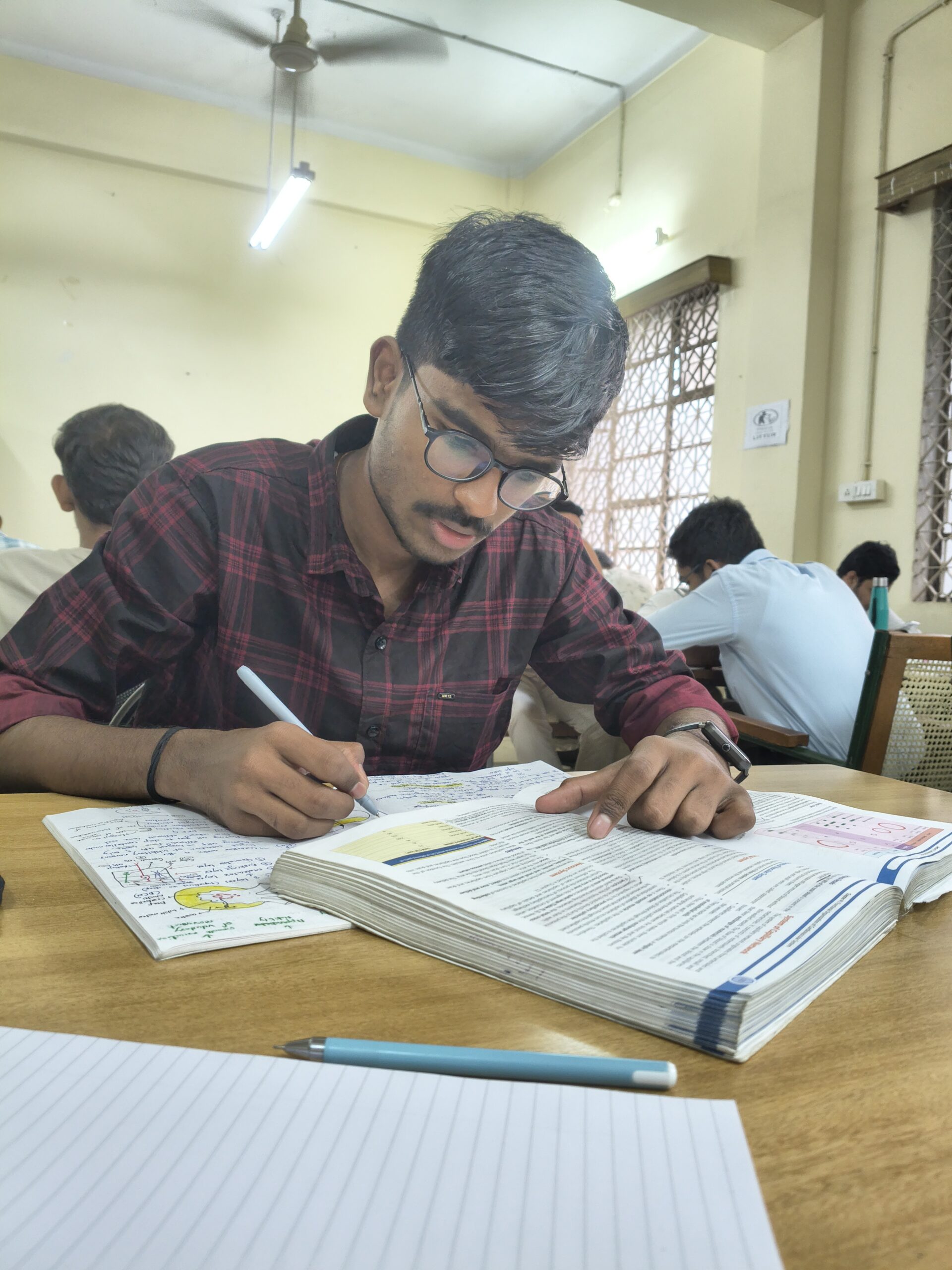
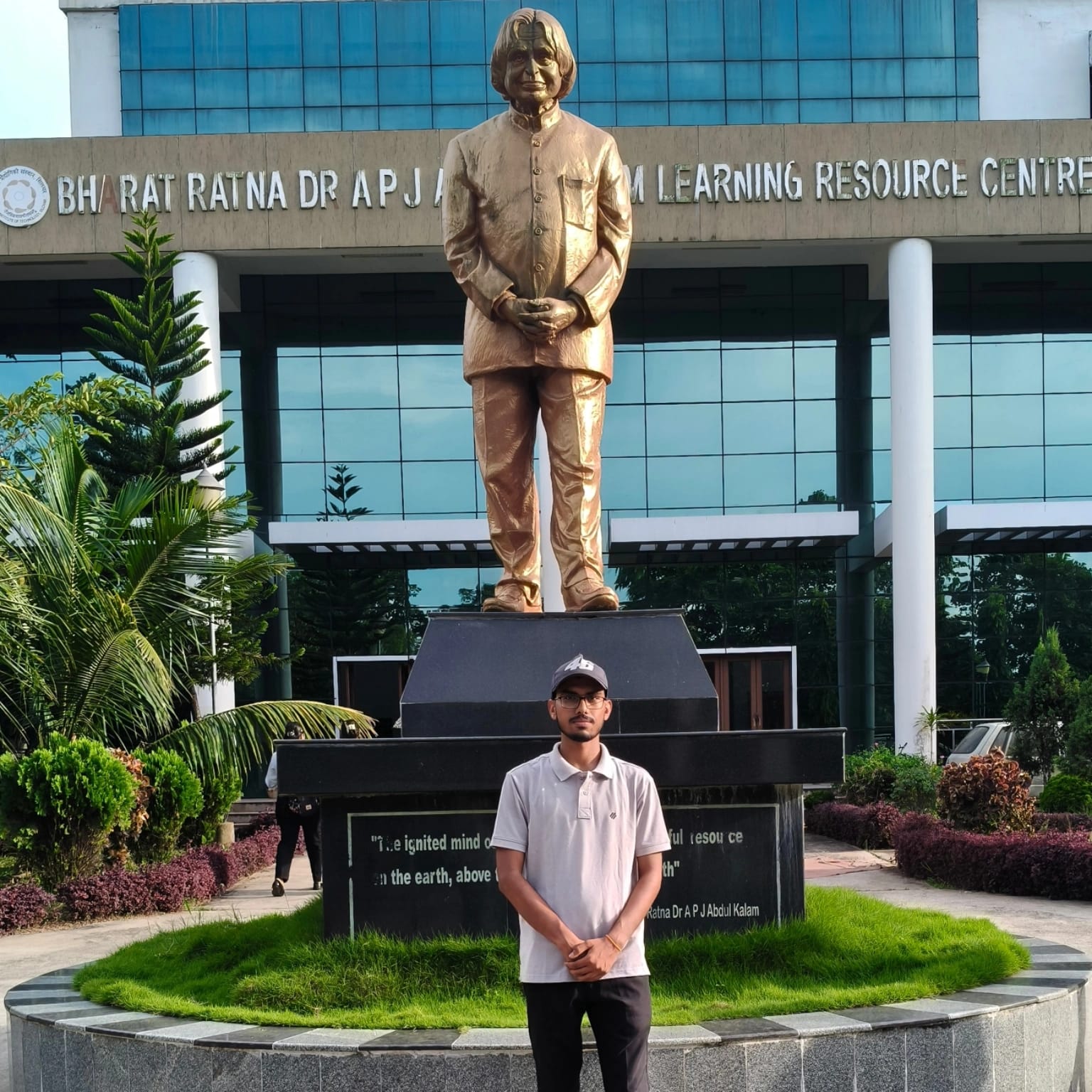
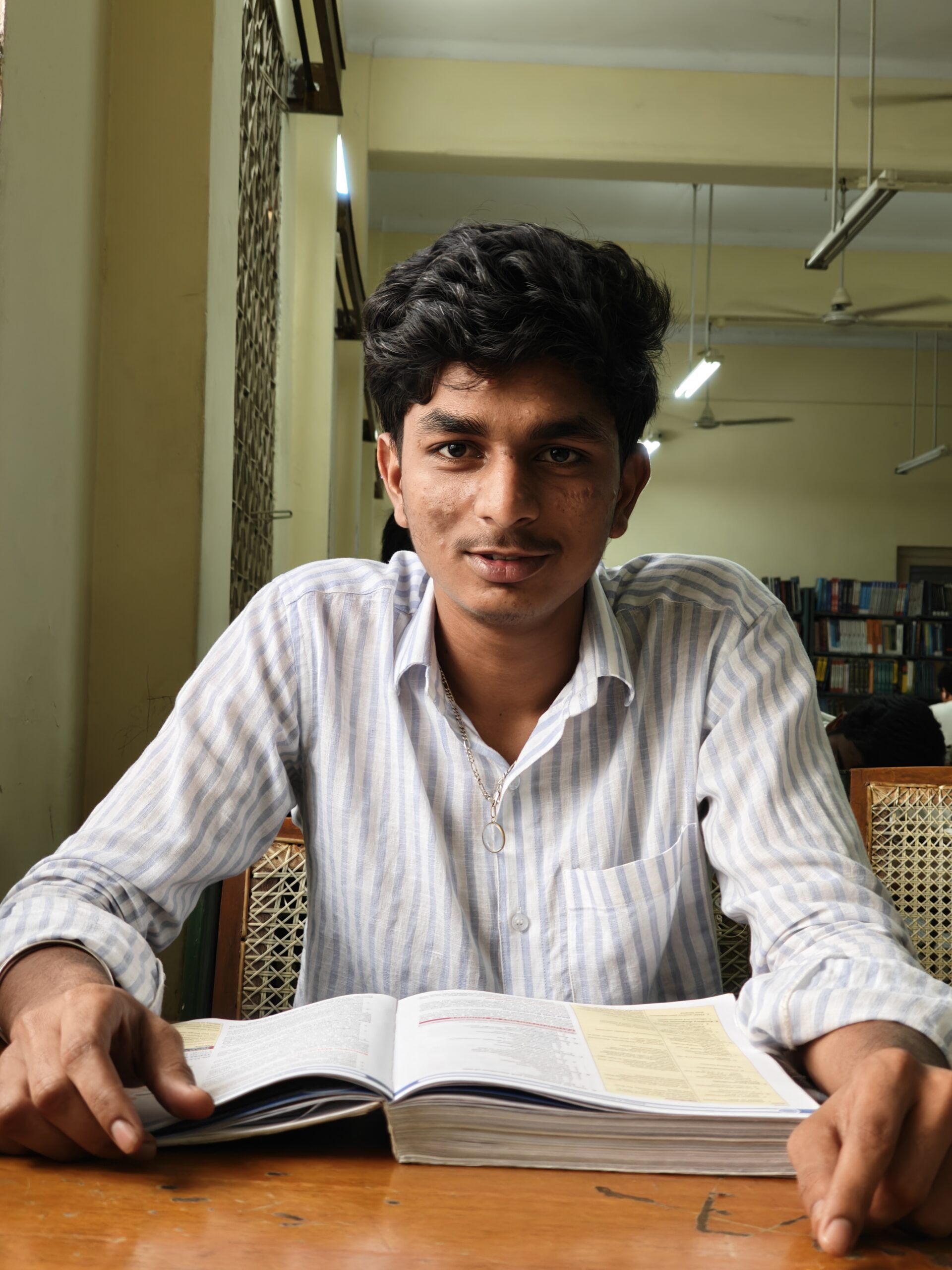
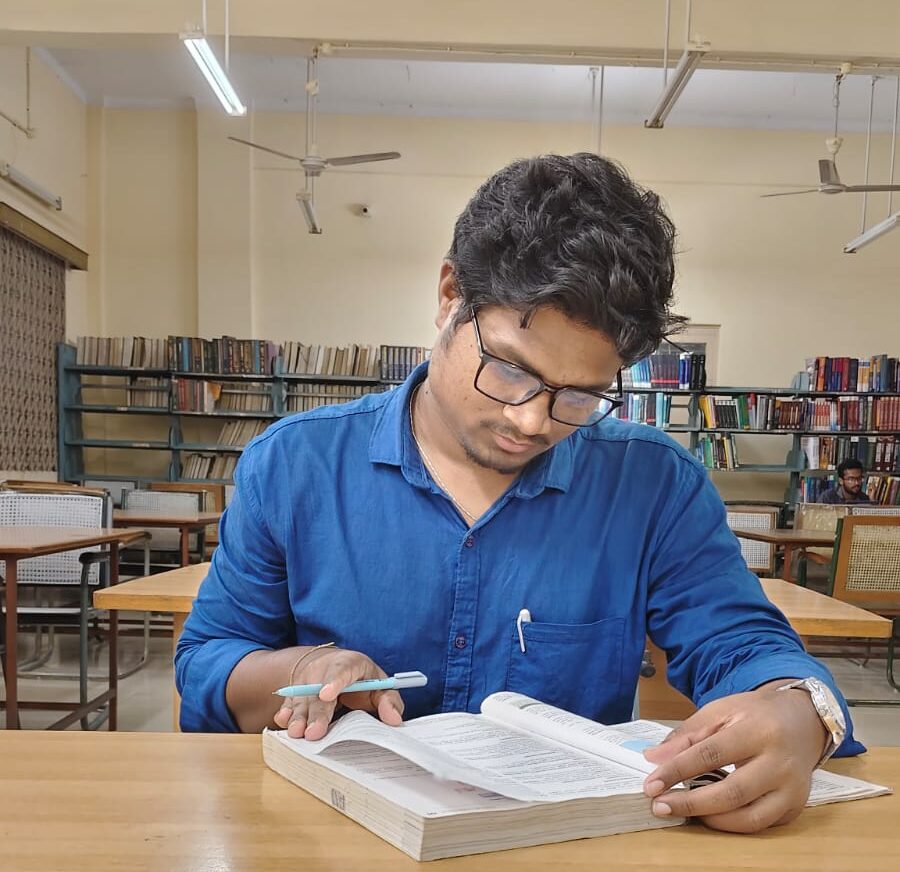
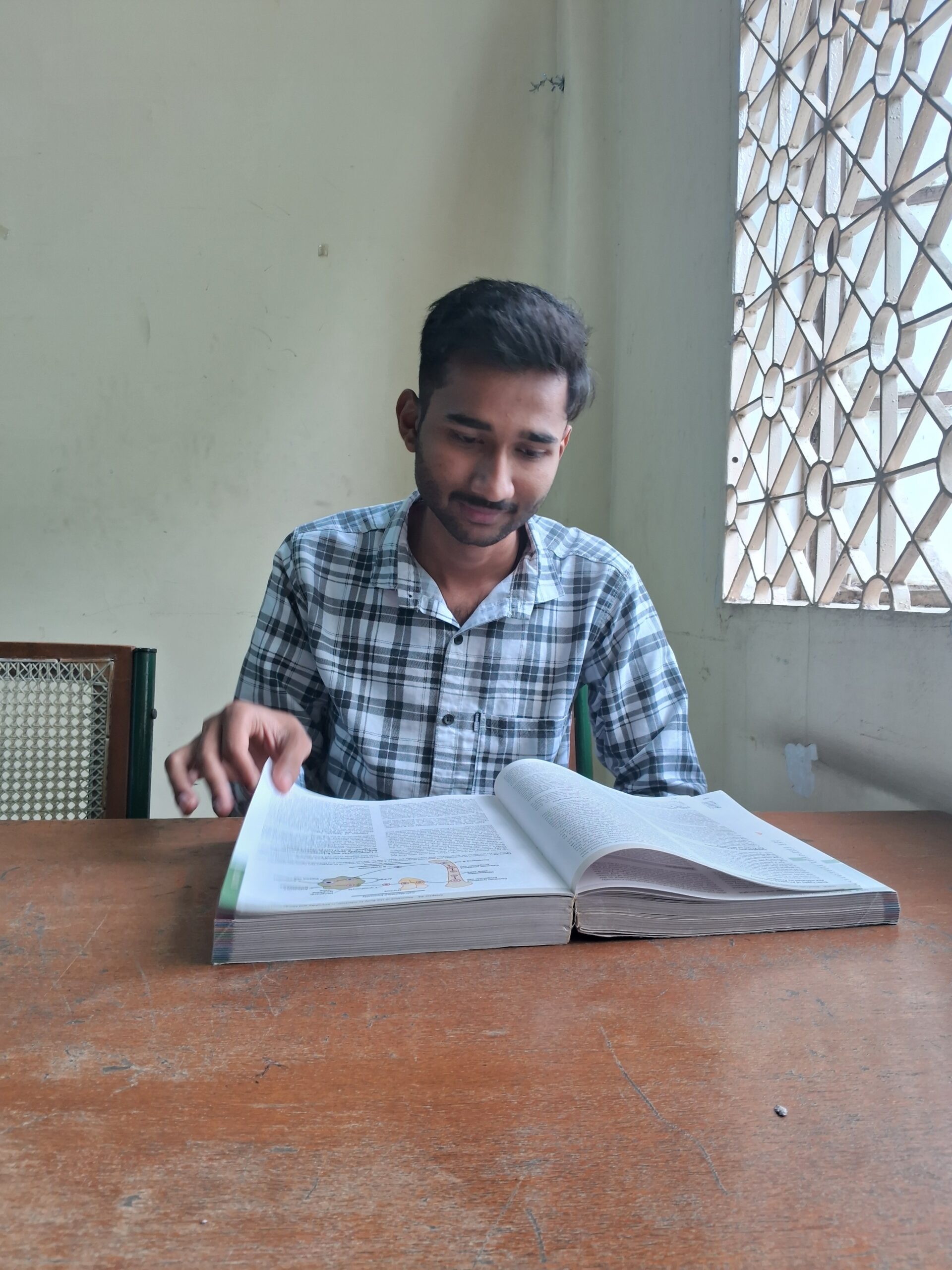
After completing Class 12, Omkar made a decision that demanded both patience and conviction. Rather than settling for whatever opportunity came his way, he took a gap year to prepare for the Joint Entrance Examination. Without expensive coaching, he relied on self-study, using books by D.C. Pandey and M.S. Chavan while making the most of freely available online resources such as Eduniti. It required discipline, self-belief, and months of studying independently. His hard work eventually paid off with a 97.67 percentile in JEE Main, earning him admission to the National Institute of Technology Silchar to pursue a B.Tech in Mechanical Engineering.
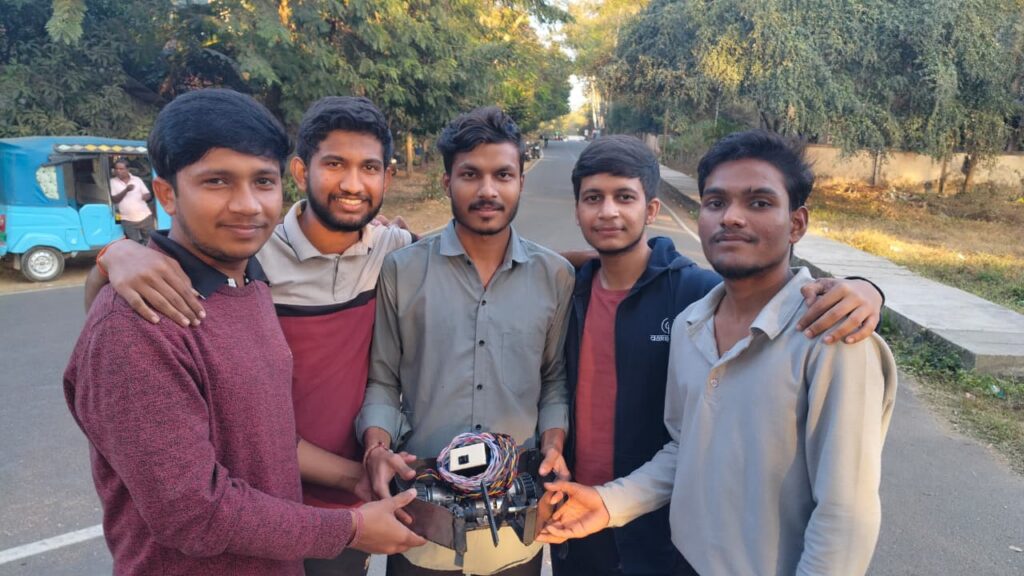
For Omkar, the choice of mechanical engineering was deeply personal. His fascination with engines, machines, and automobiles had grown over the years, and he wanted to understand how these systems work and contribute to building better technologies. He hopes to build a career in research and development, where he can combine practical engineering with innovation to solve real-world problems.
Life at NIT Silchar has brought new opportunities along with new challenges. Having studied throughout his school years in a predominantly Marathi-medium environment, he has had to adapt to communicating and learning in English. He views this not as a setback but as an area for growth and is actively working to improve his communication skills while adjusting to a new academic environment far from home.
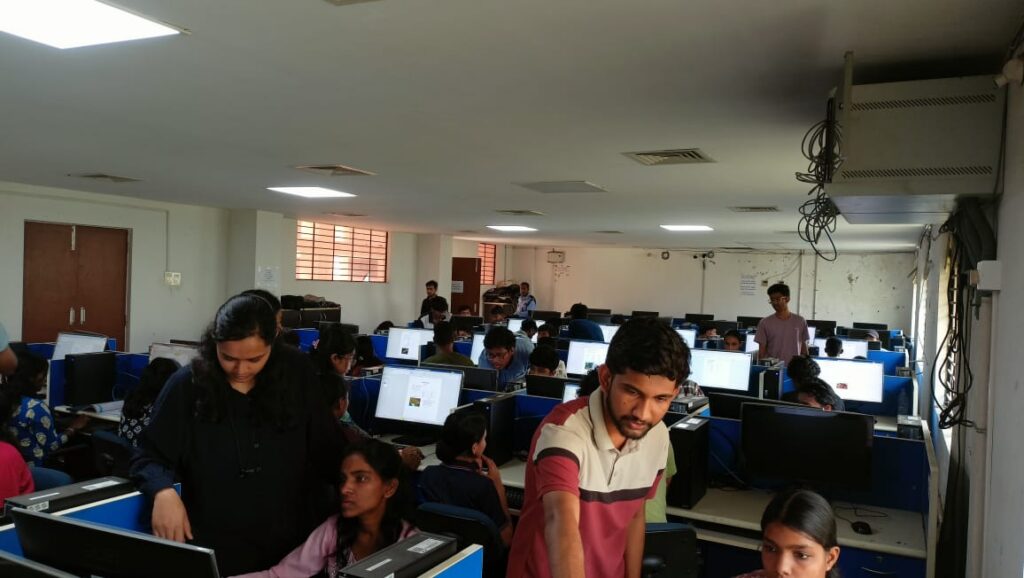
Beyond academics, Omkar believes education carries a responsibility to give back. He volunteers with the Gyan Sagar organisation at NIT Silchar, where students teach children from nearby villages up to Class 10. Through regular mentoring sessions, he helps students understand difficult concepts, answers their questions, and encourages them to continue their education. Having experienced the limitations of rural schooling himself, he understands how meaningful a little guidance can be for young learners.
Although his father’s farming income supports the family, it is often insufficient to comfortably meet the costs of higher education. Tuition fees, books, accommodation, and day-to-day expenses place a considerable financial burden on the household. The Shiksha Sankalp Lakshya Scholarship eases this burden by providing financial support that allows Omkar to focus on his studies without constantly worrying about educational expenses. More importantly, it reinforces his belief that determination and hard work deserve encouragement, regardless of where a student comes from.
Omkar’s story is not one of overnight transformation. It is a story of gradual progress of a rural student who quietly kept improving, trusted the value of self-learning, embraced challenges, and earned his place through persistence. As he continues his journey in mechanical engineering, he carries with him the values shaped in his village: humility, discipline, and the determination to build a better future.