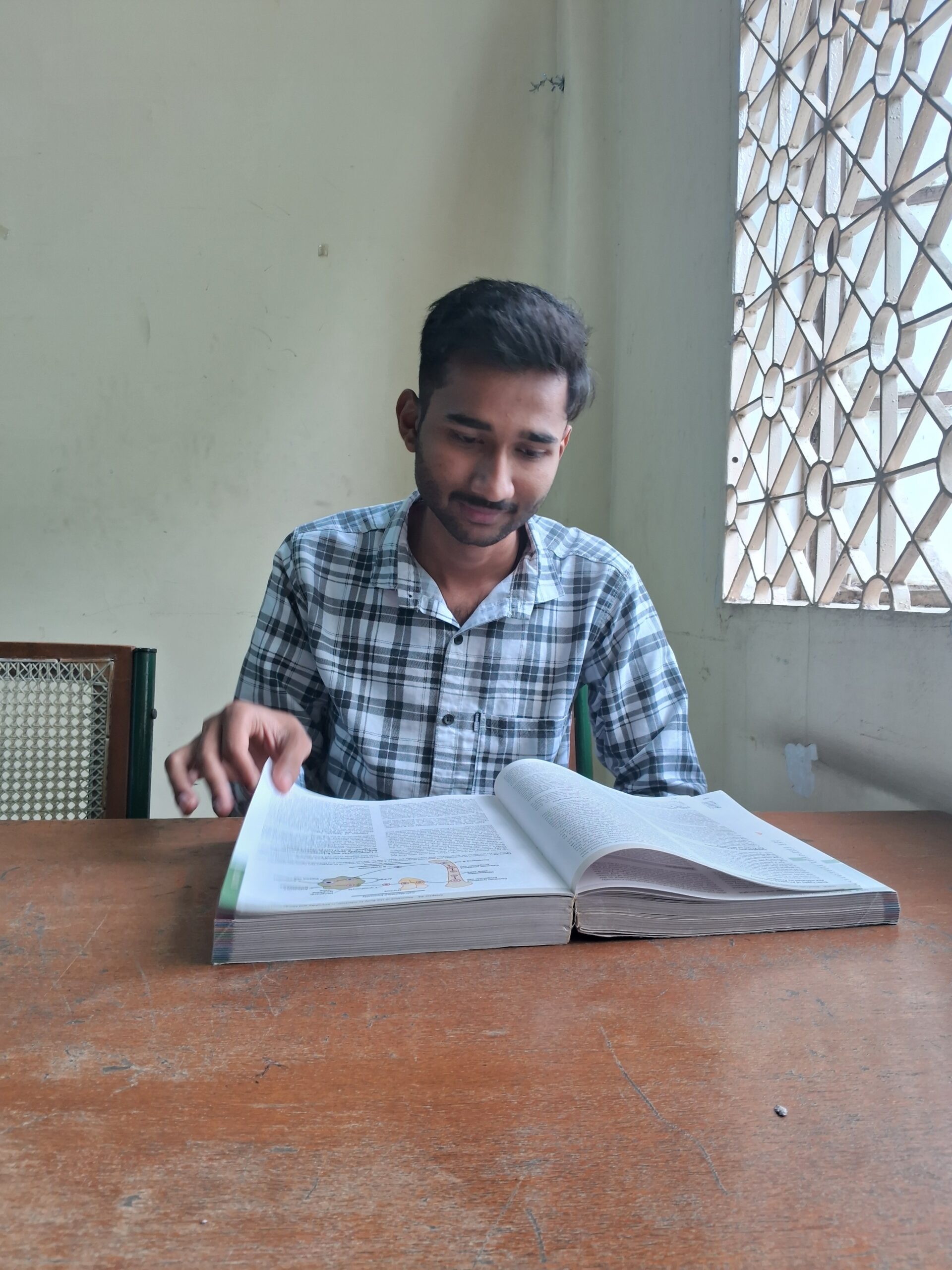
For Rongali Shankar Rao, the decision to become a doctor was shaped long before he entered a medical college classroom. When he was just twelve years old, he lost his mother after watching her battle a chronic illness. His father had already passed away during his childhood. In the years that followed, the absence of his parents became a constant part of his life, but so did a quiet determination. He wanted to understand the kind of illness that had taken his mother away and one day be able to help families facing similar struggles.
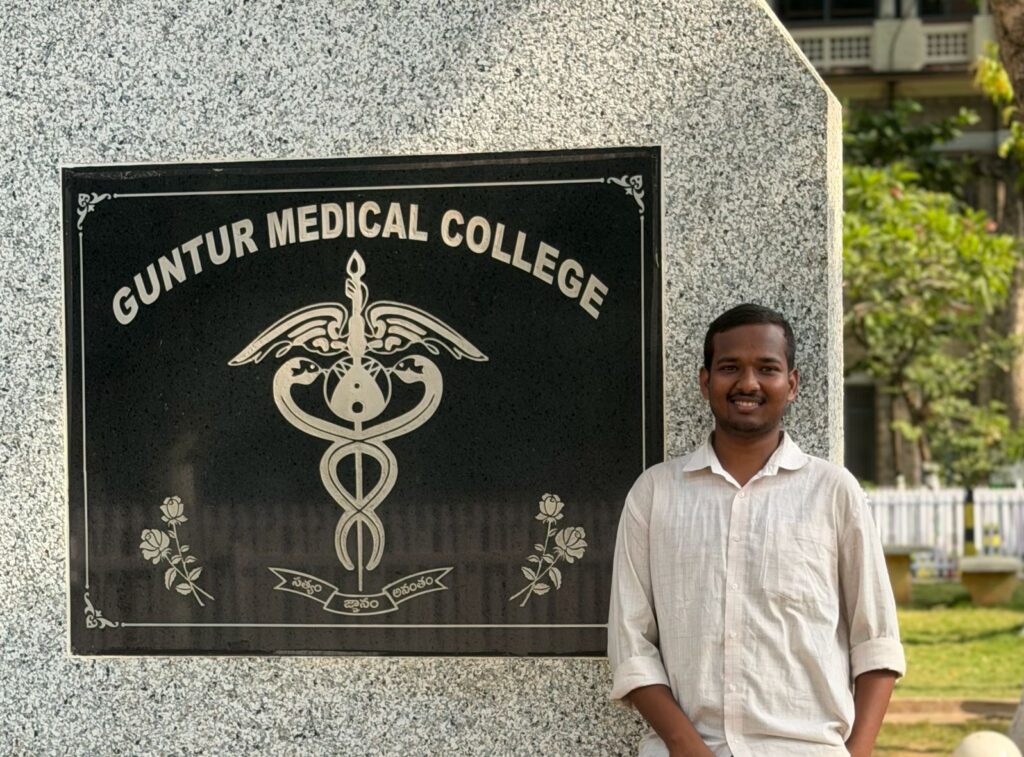
Today, Shankar is a third-year MBBS student at Guntur Medical College, one of Andhra Pradesh’s premier government medical institutions. Earning a seat there was not the result of a single examination but of years of discipline and perseverance. After attempting NEET twice, he secured admission through merit, earning a coveted government medical seat.
Behind that achievement is a story of resilience built on the unwavering support of one person – his grandmother.
Now over eighty years old, she has raised Shankar since he lost his parents. The family’s modest income comes from her old-age government pension and a small paddy field that supports their daily needs. During college vacations, Shankar joins her in the fields, helping with the farming work that supports the family. It is his way of easing his grandmother’s burden while contributing to the household that has stood firmly behind his education.
Pursuing a medical degree, however, comes with expenses that extend well beyond tuition. To meet the costs of his education, the family had to mortgage their gold and borrow money from relatives. Even purchasing medical textbooks has often been a financial challenge. Every expense is weighed carefully, and every semester requires thoughtful planning.
Yet financial hardship has never diminished his commitment to learning.
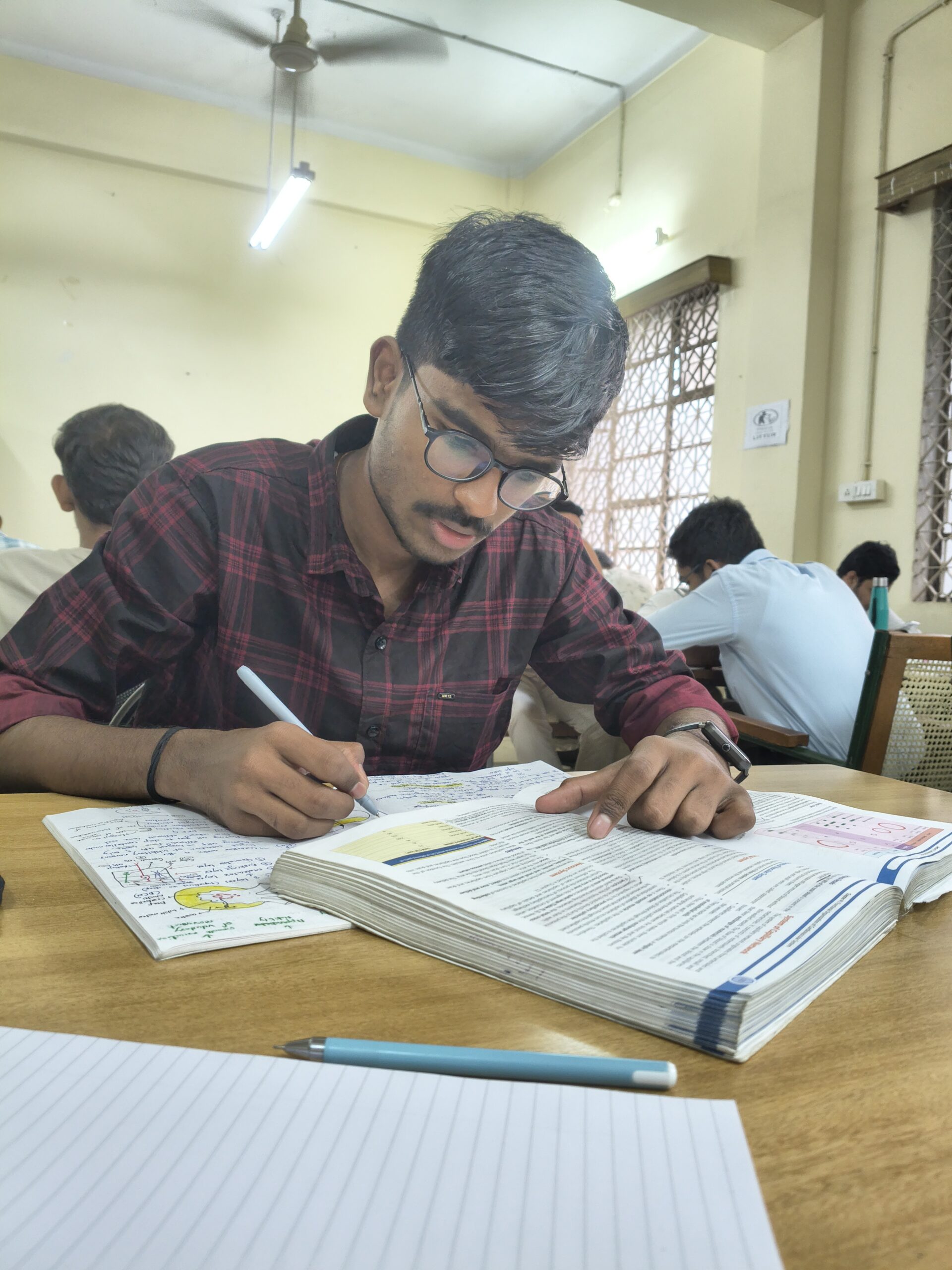
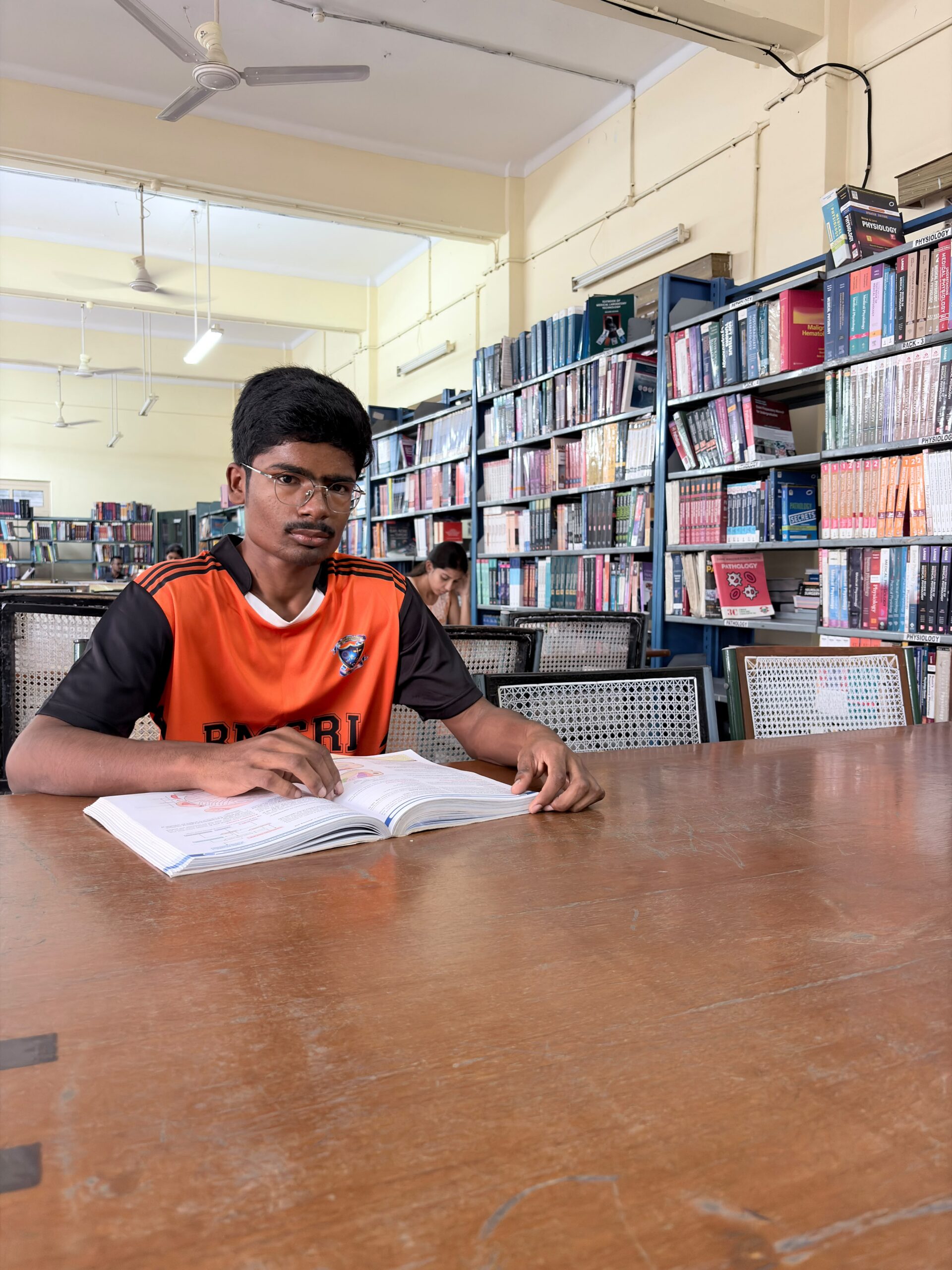
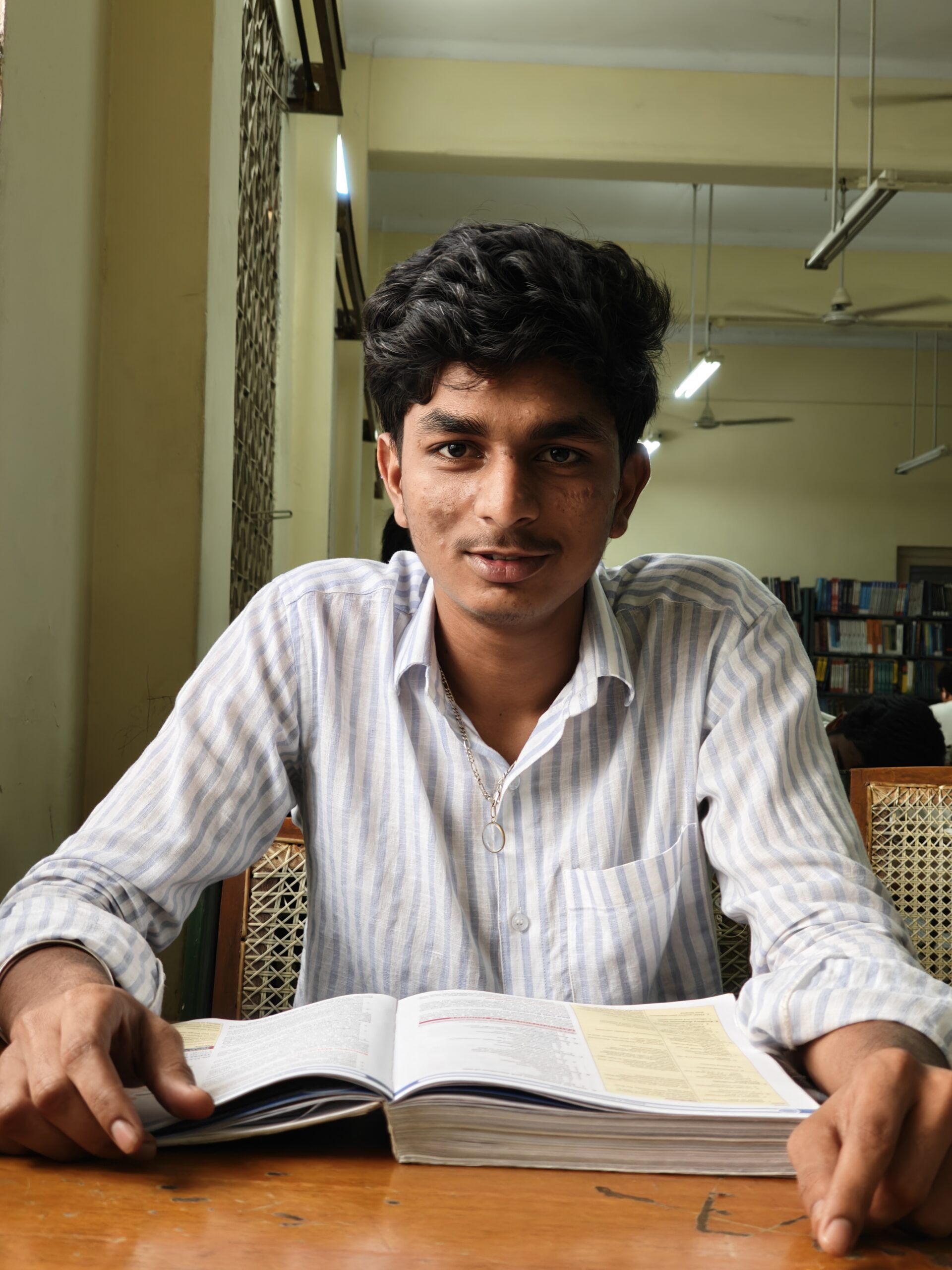
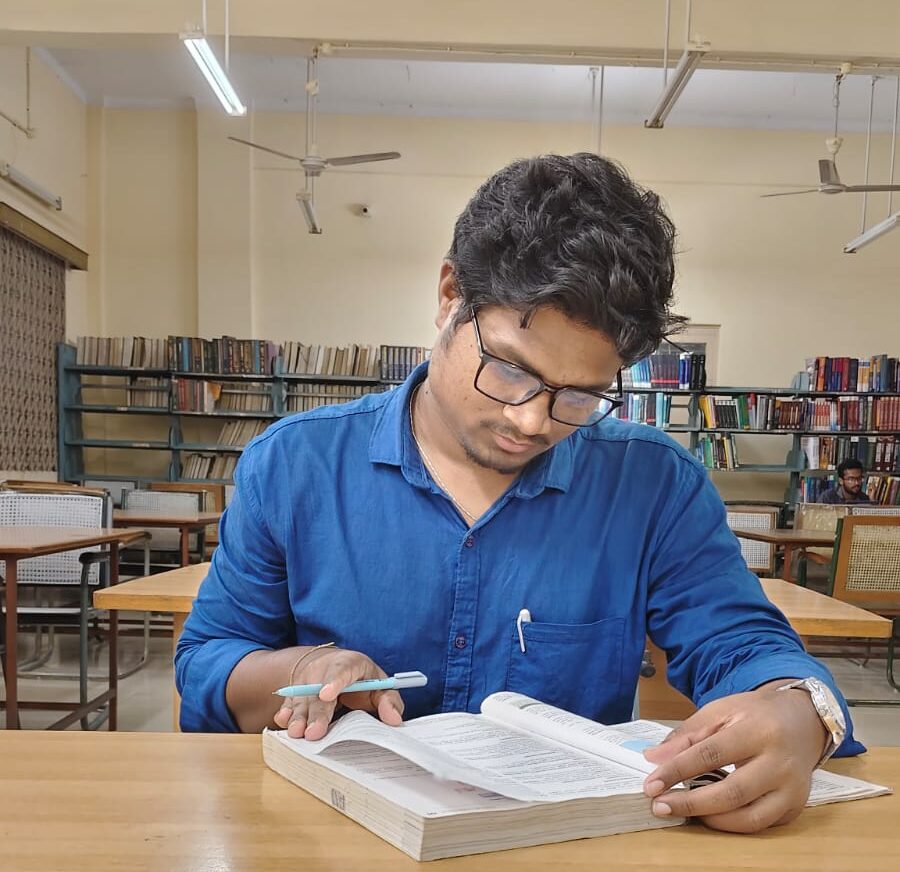
His classmates know him as someone who spends most evenings in the library long after lectures have ended. That dedication translated into academic success when he topped his MBBS class in the second year, securing the highest marks in his batch. For Shankar, excellence is not about competing with others; it is about making the most of an opportunity that came at considerable sacrifice.
Beyond academics, he actively participates in college life. He delivered a seminar during his second phase of MBBS on World Cancer Day, served on the student coordination committee for MedFusion 26, the medical exhibition organised by Guntur Medical College, and has volunteered as a blood donor at the Government General Hospital blood bank. His participation in quiz competitions and athletics reflects a willingness to engage beyond the classroom while remaining focused on his primary goal.
Looking ahead, Shankar hopes to specialise in either nephrology or neurology. Alongside clinical practice, he dreams of teaching in a medical college, believing that sharing knowledge is as important as acquiring it. He sees medicine not only as a profession but as a lifelong commitment to learning and service.
His aspirations extend beyond his own career. Having experienced the uncertainty that financial hardship can create, he hopes that once he is established, he will be able to support students from backgrounds similar to his own, young people with ability and determination but limited financial means.
The Lakshya Scholarship by Shiksha Sankalp Society has become an important part of that journey. By helping ease the financial burden of his medical education, the scholarship allows Shankar to focus more fully on his studies instead of worrying constantly about how the next academic expense will be met. For a student who has come this far through perseverance, family sacrifice, and hard work, that support provides both practical assistance and reassurance that his efforts are recognised.
Shankar’s story is not defined by the hardships he has faced, but by the choices he has made despite them. Every examination cleared, every hour spent studying, every day helping his grandmother in the fields, and every step toward becoming a doctor reflects a quiet resolve that has remained constant through the years.
Sometimes resilience does not announce itself loudly. Sometimes it simply shows up every day, studies a little longer, works a little harder, and refuses to let difficult circumstances decide what the future will look like.
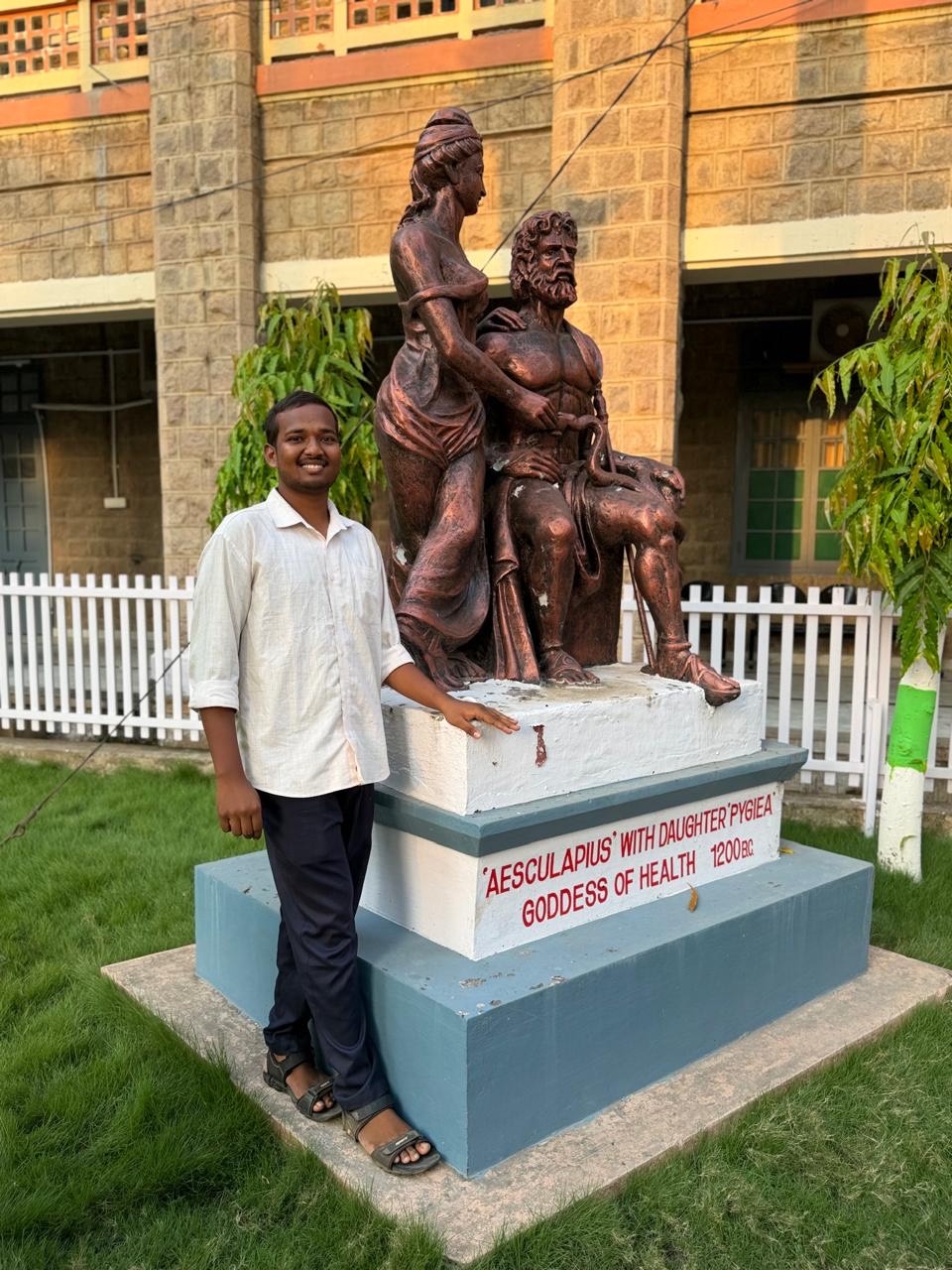
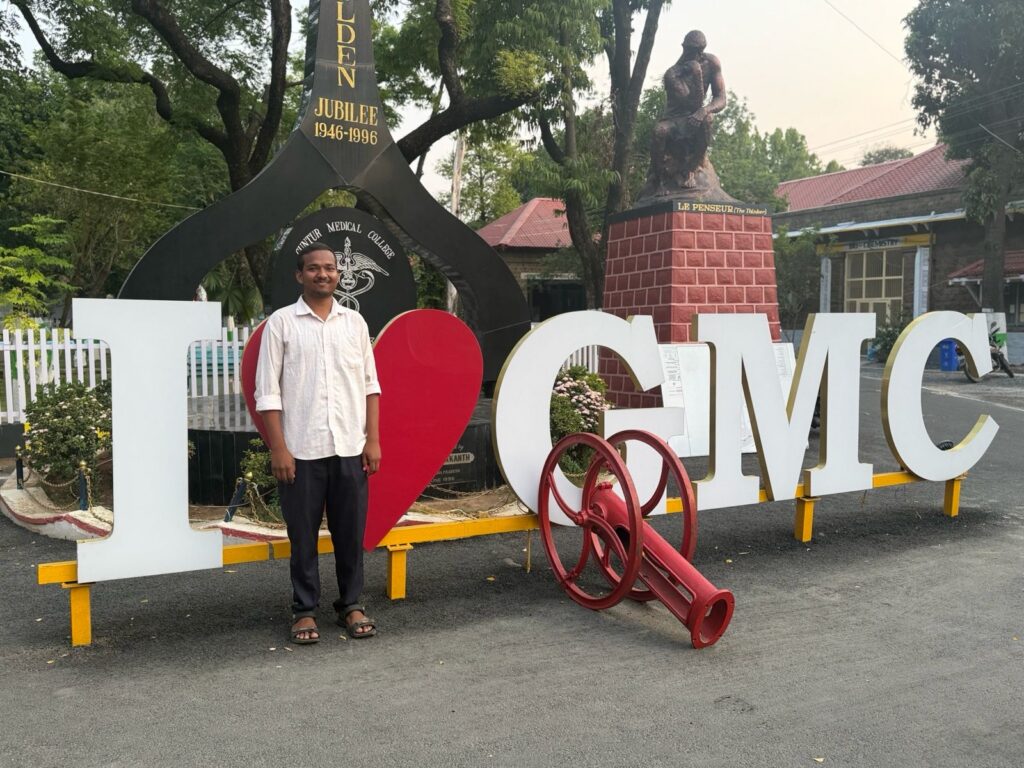
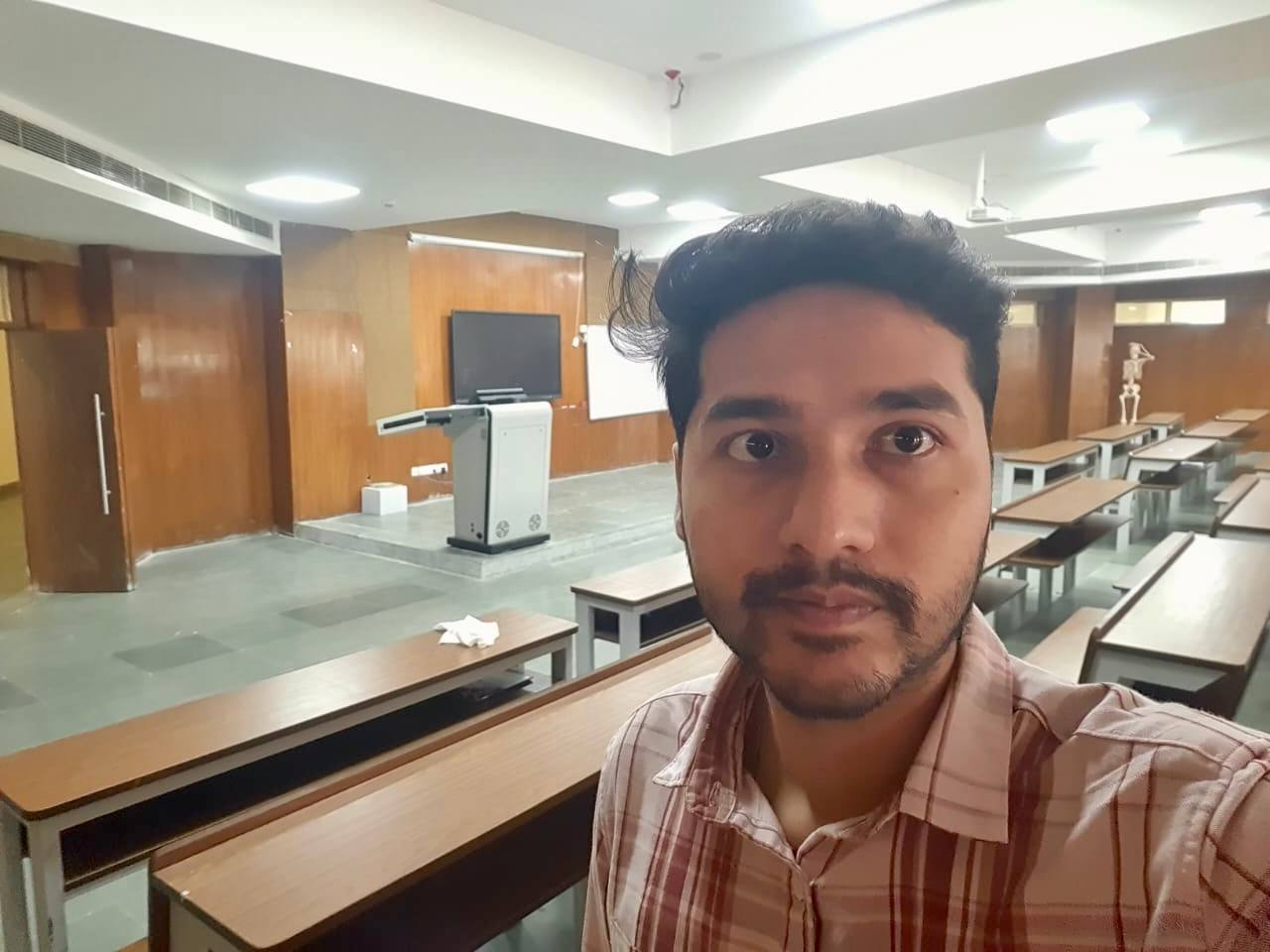
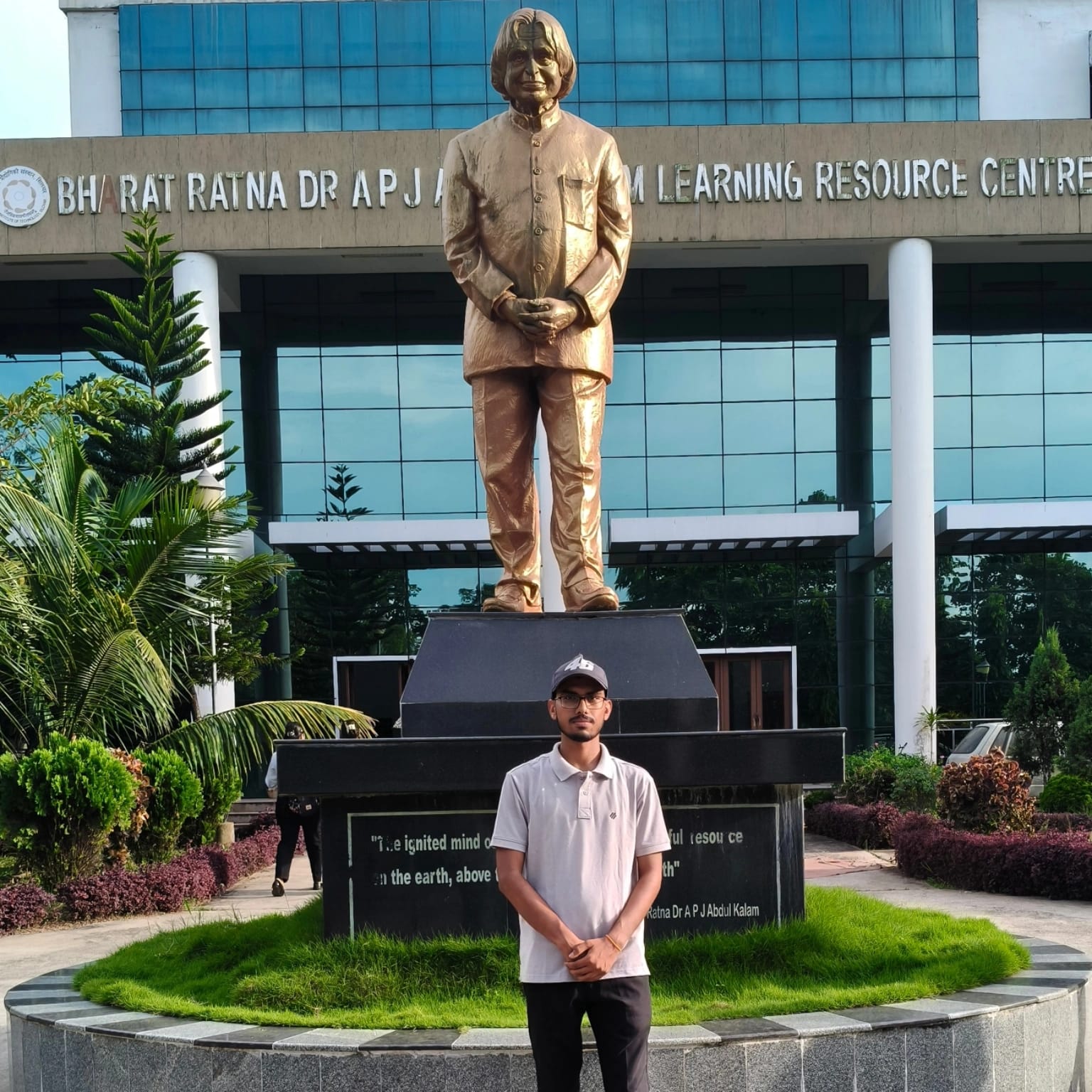
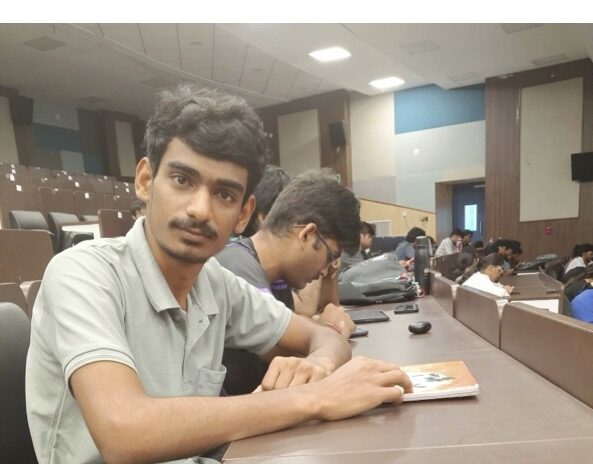
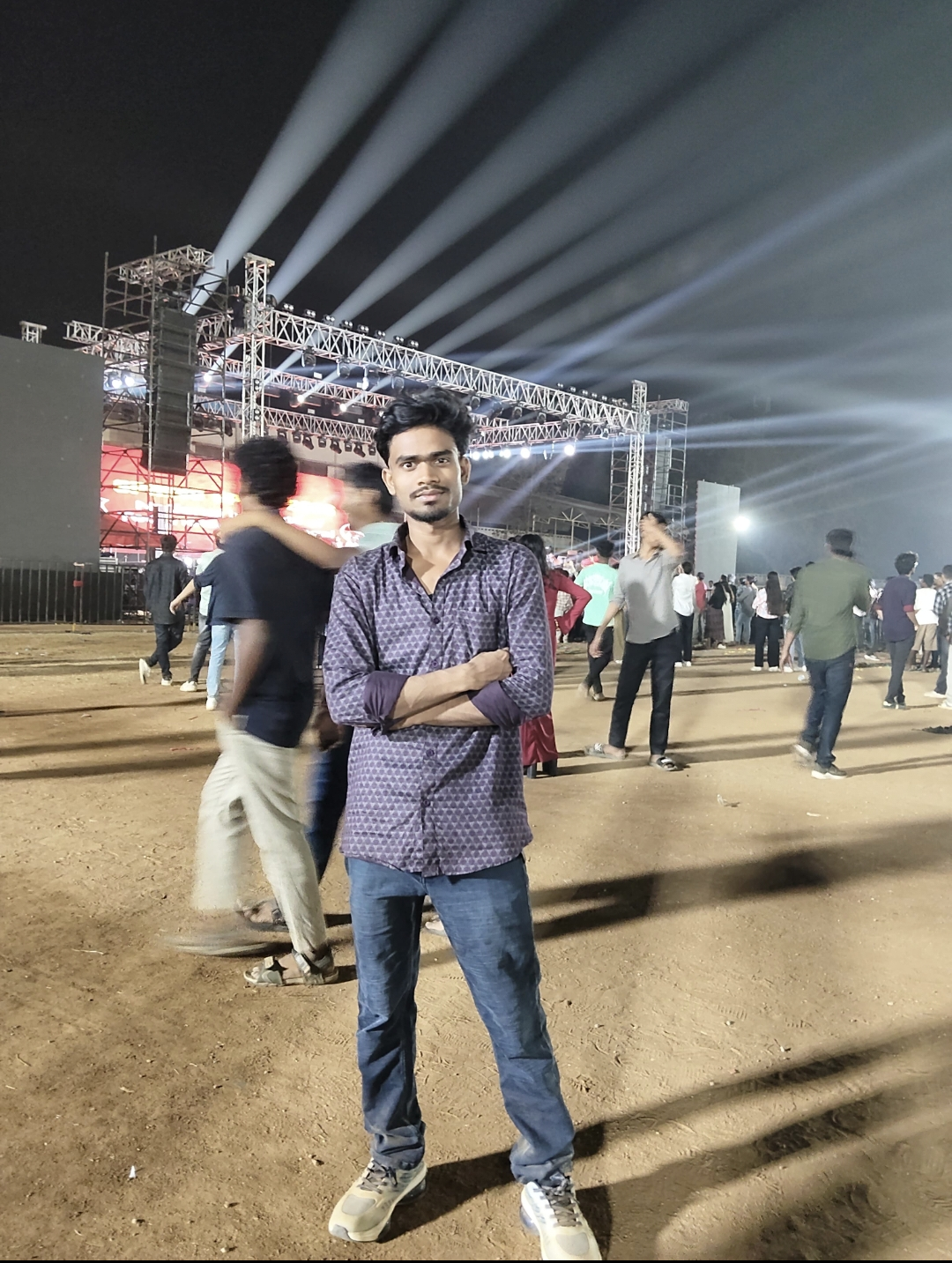
Life on Campus: Through Rangoli Shankar Rao's Lens