For Raghavendra S., the decision to become a doctor did not begin with a carefully planned career path or a family tradition in medicine. It began with a vaccination team visiting his school.
At the time, he was a student in a small village in Karnataka, watching healthcare professionals interact with students and provide vaccinations. The experience stayed with him. Gradually, the idea of becoming a doctor took root.
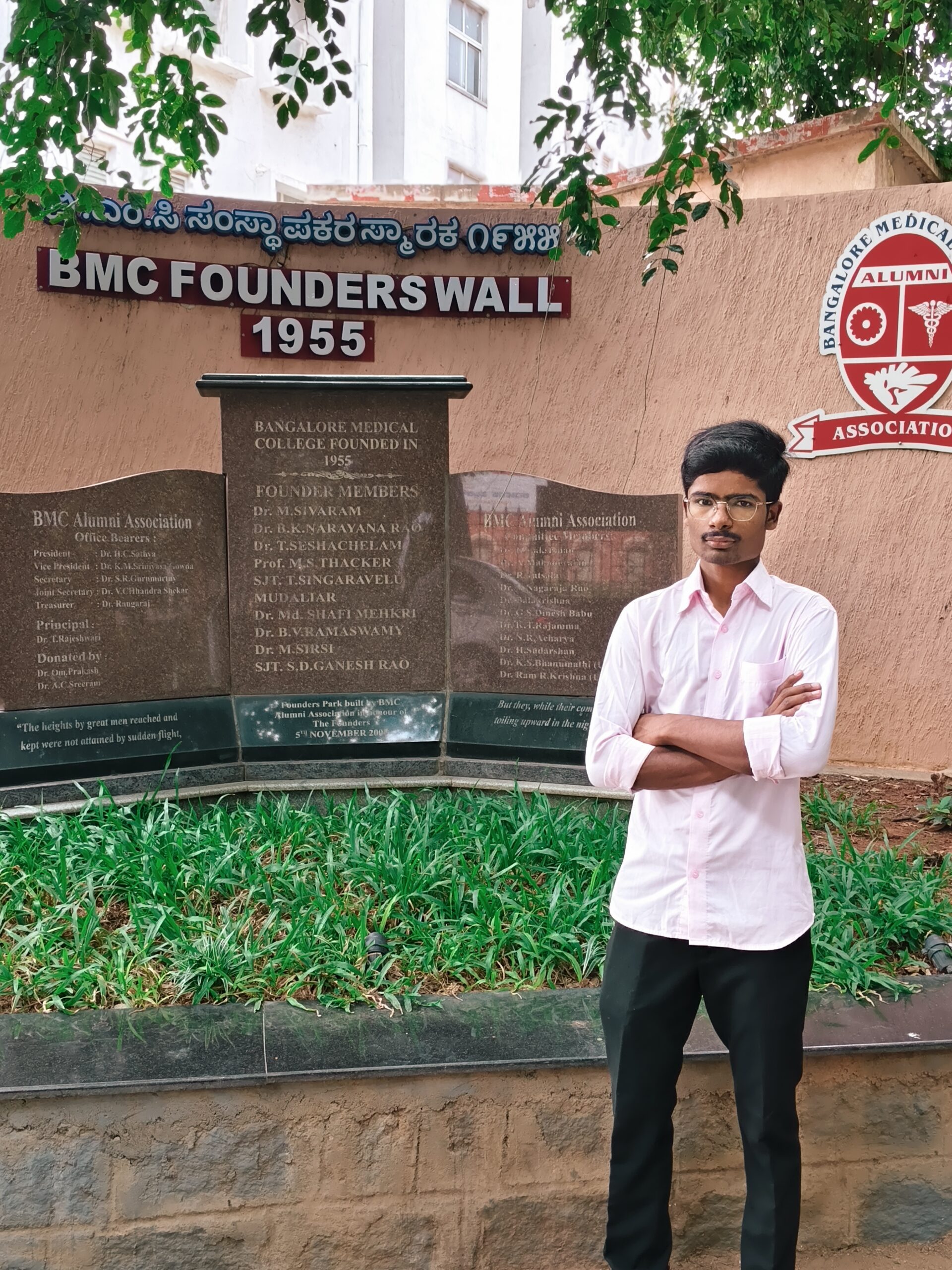
Today, Raghavendra is pursuing MBBS at Bangalore Medical College and Research Institute. For a young man from Mallasamudra village in Karnataka, reaching one of the state’s most respected medical institutions is the result of years of determination, family sacrifice and a willingness to keep moving beyond familiar surroundings.
Raghavendra studied in his village until Class 5. From Class 6 to 10, he stayed with his maternal grandmother so that he could attend a school in a nearby town. Later, he moved into a hostel for his pre-university education. Each move took him further from home, but closer to the future he had begun to imagine for himself.
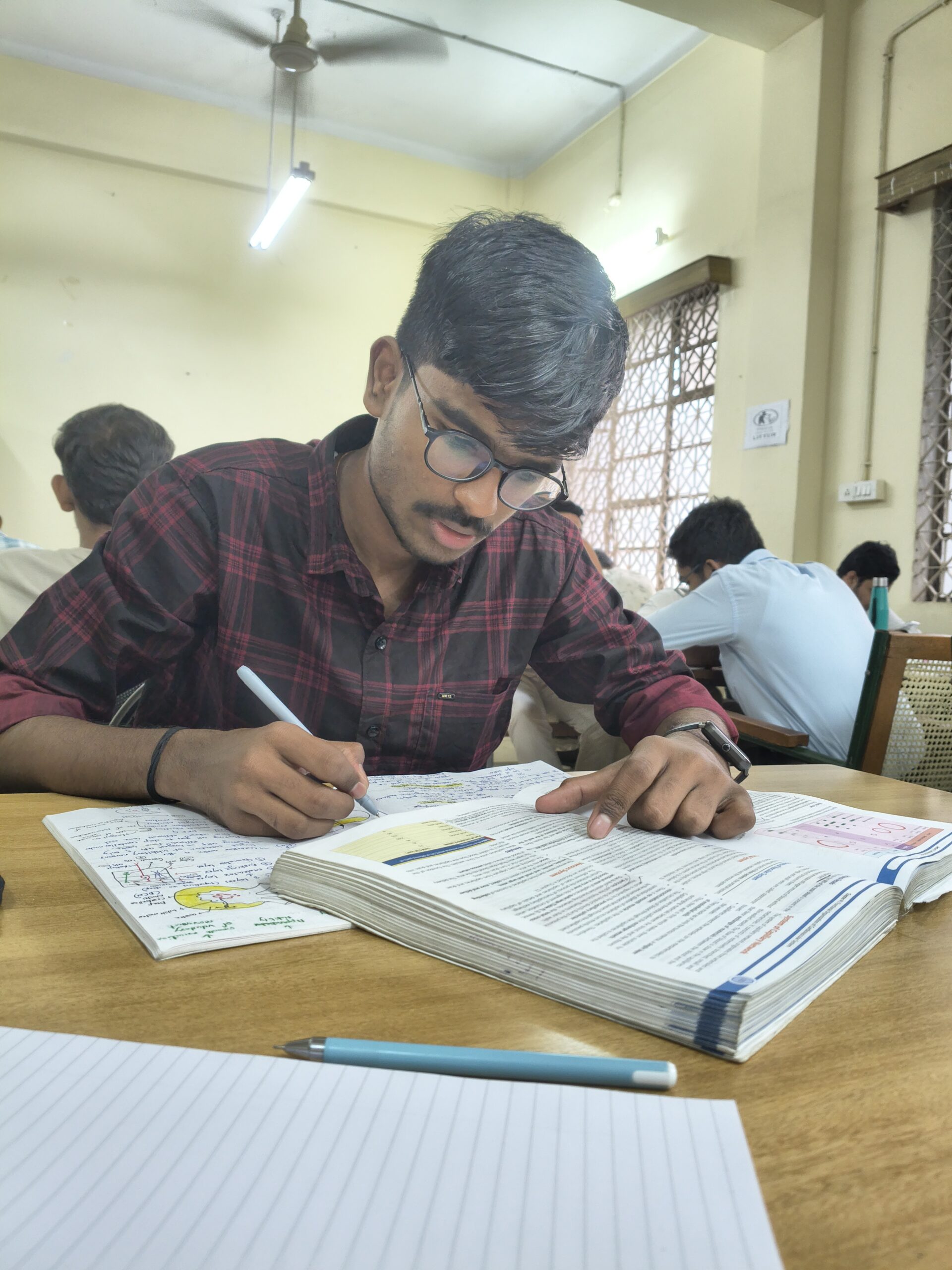
Academically, he consistently worked hard. After scoring over 97% in Class 10, he received a 50% waiver on his school fees. He went on to score 97.67% in Class 12 and secured a 99.75 percentile in NEET, with an All India Rank of 5,559.
What makes his journey particularly remarkable is that he prepared for NEET alongside his regular school classes, without the kind of extensive coaching support that many students depend on.
For Raghavendra, however, getting into medical college was only one part of the challenge.
His father is a shepherd who takes his herd of sheep into the forest and earns by selling lambs during the year. His mother takes up tailoring work whenever opportunities are available, but the income is not regular. Together, their earnings support the family and are limited by the uncertainty of seasonal and informal work.
To pay the initial costs of Raghavendra’s medical education, the family had to borrow money from relatives and friends in the village. Even after securing admission, hostel fees remained pending.
Yet Raghavendra speaks about his parents and his circumstances without bitterness. He understands the effort behind every rupee spent on his education.
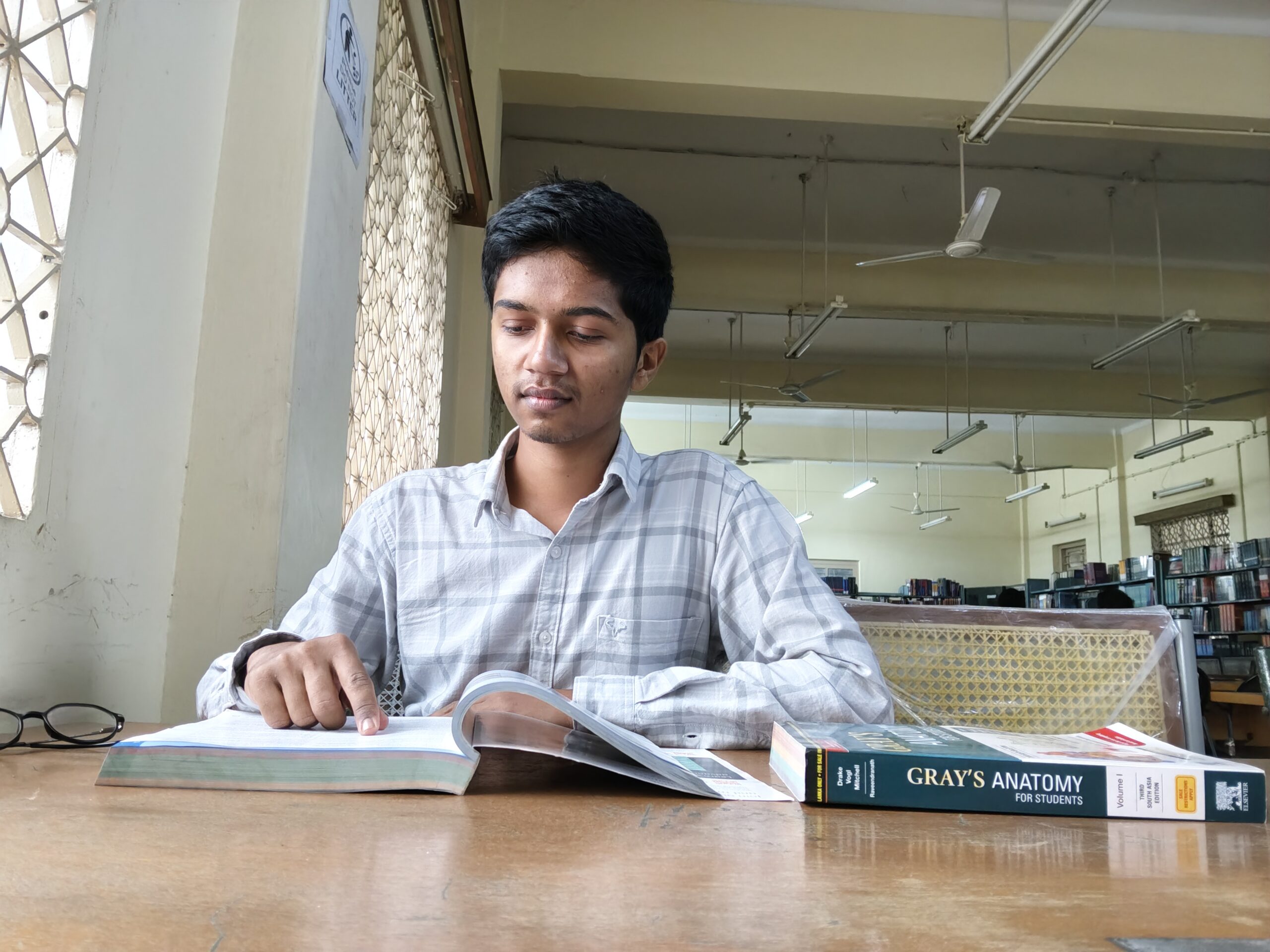
Raghavendra chose to study in Bengaluru partly because he felt more comfortable knowing that he could communicate in Kannada and Tamil, while he continues to build confidence in English. He can also read a little Hindi, but speaking and communicating in unfamiliar languages is a source of hesitation for him. Moving far away from his native place therefore meant stepping outside the environment where he felt most confident and familiar. He was unsure whether he would be able to connect with people, communicate comfortably, and find his place in a new setting. Choosing Bengaluru gave him a sense of reassurance while still allowing him to take an important step toward becoming more independent and confident as he begins his medical education.
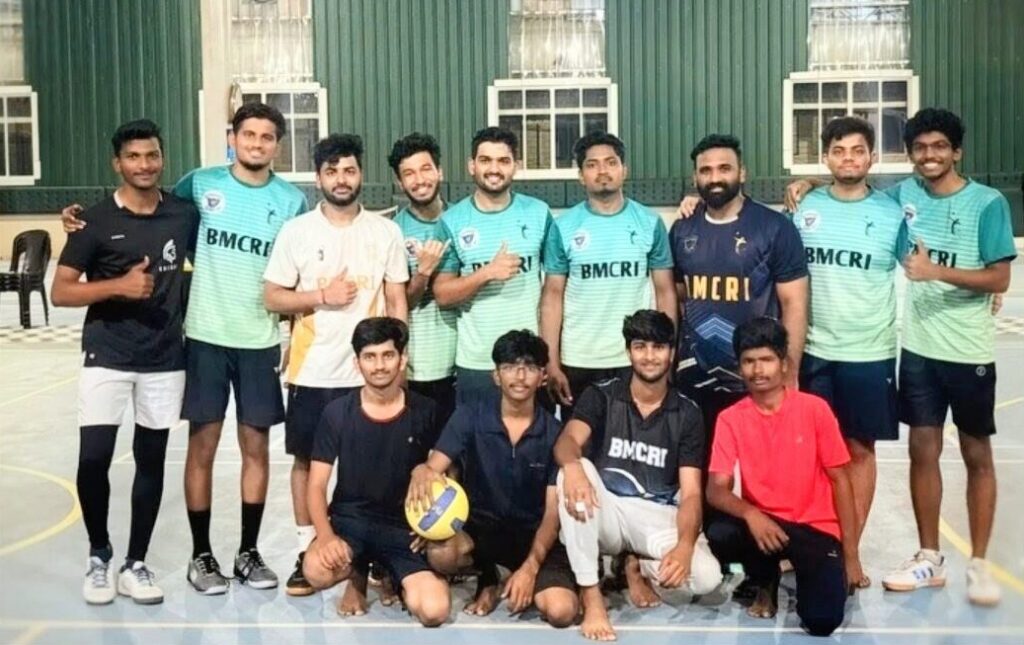
Outside academics, Raghavendra has always enjoyed sports. He plays volleyball and has participated in a state-level chess competition. Both remain important parts of his life. He is especially interested in sports and physical activity, which has also influenced his long-term goal of specialising in orthopaedics and sports injuries.
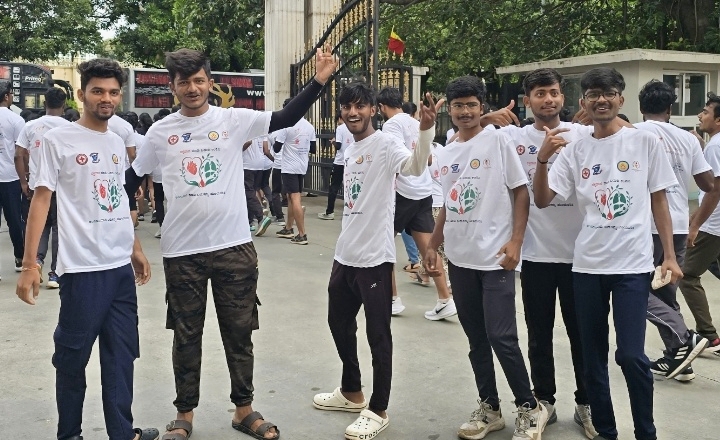
He has already begun looking beyond the degree itself. After completing his medical education and specialisation, Raghavendra hopes to work with patients in rural areas and contribute to better awareness around preventing diseases and seeking medical help early. He has also participated in cancer awareness activities, helping spread information about prevention and early detection on World Cancer Day.
As a recipient of the Shiksha Sankalp Lakshya Scholarship, Raghavendra will receive financial support towards his medical education, helping ease a burden that his family has been struggling to carry. Raghavendra’s journey is still at its beginning. The years ahead will demand much more from him – academically, personally and professionally. But he has already shown an ability to adapt, persist and make the most of every opportunity available to him.
From a village school classroom to the first year of MBBS, his journey has been shaped by many quiet decisions to continue: to study, to move away from home, to prepare with the resources available and to keep going despite financial uncertainty.
One day, the boy who first watched a medical team visit his school hopes to become the doctor who brings care, knowledge and reassurance to communities like his own.