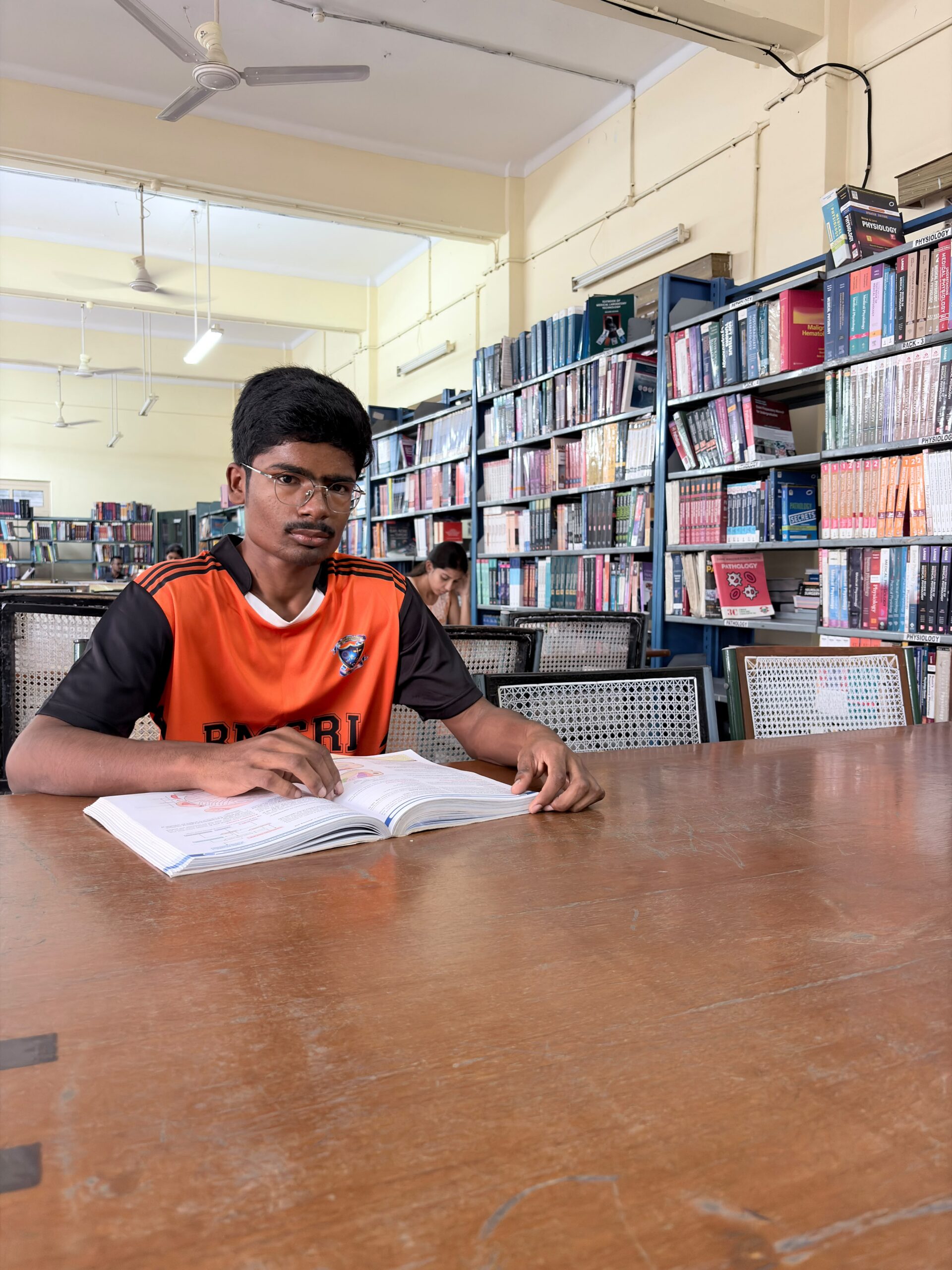
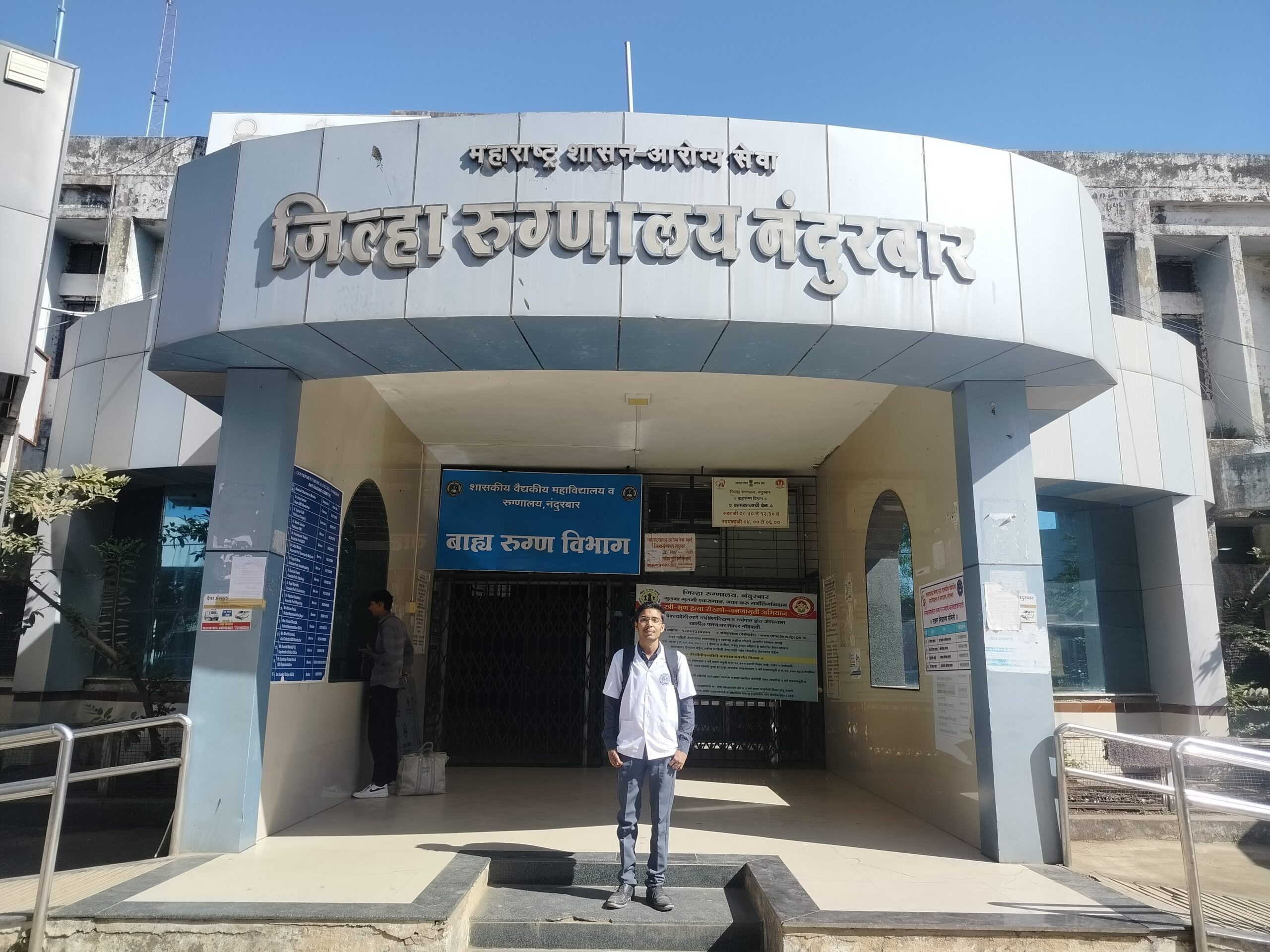
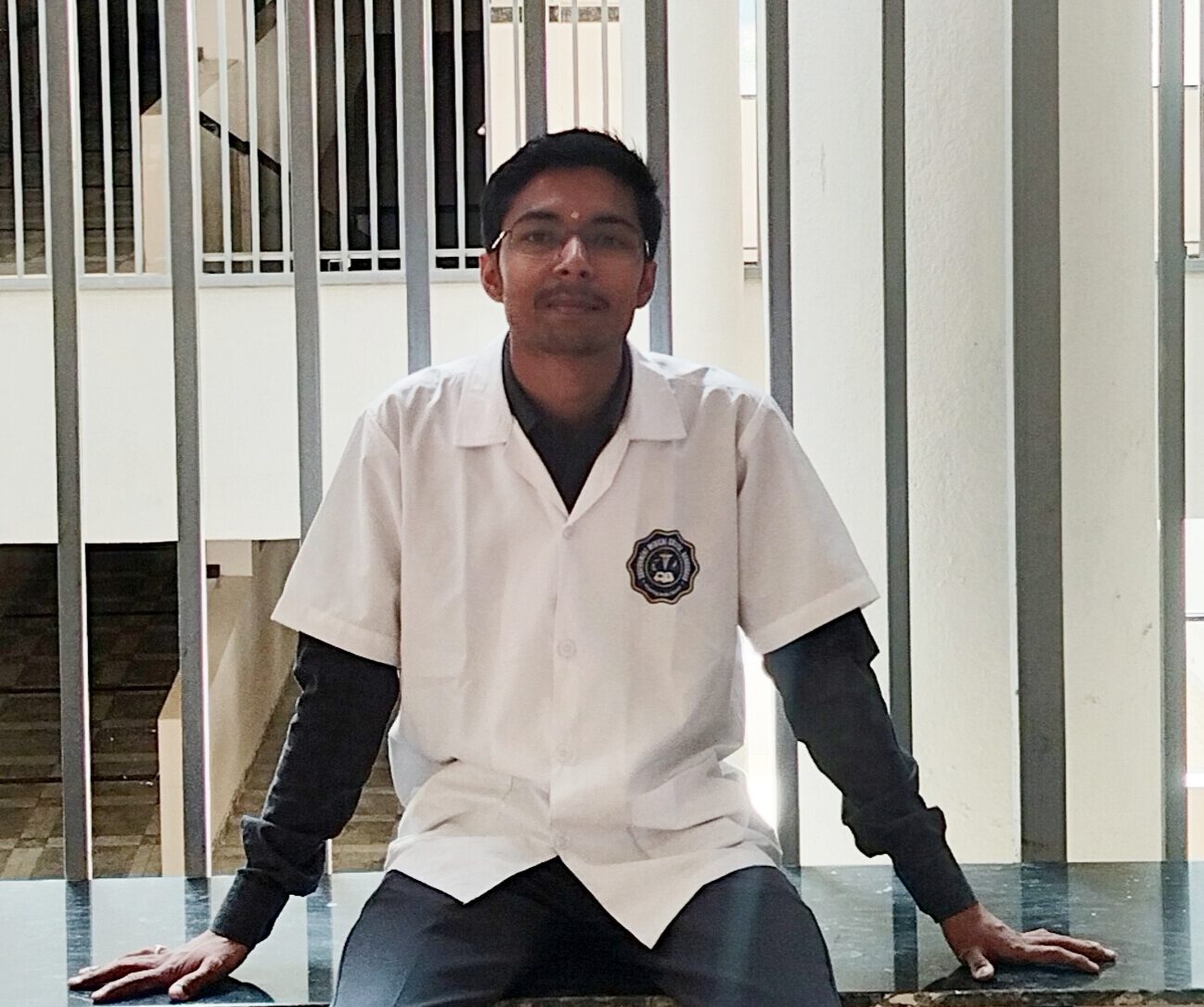
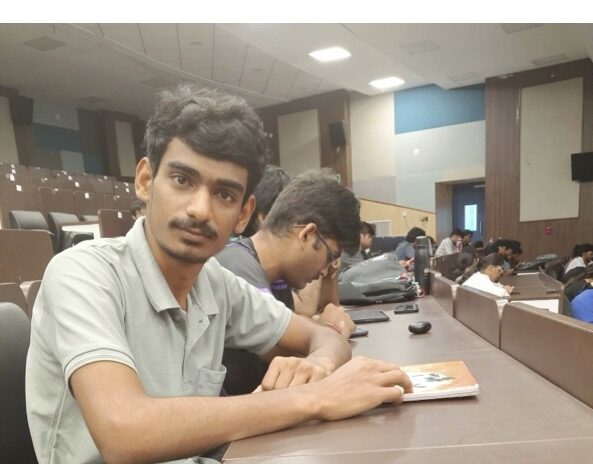
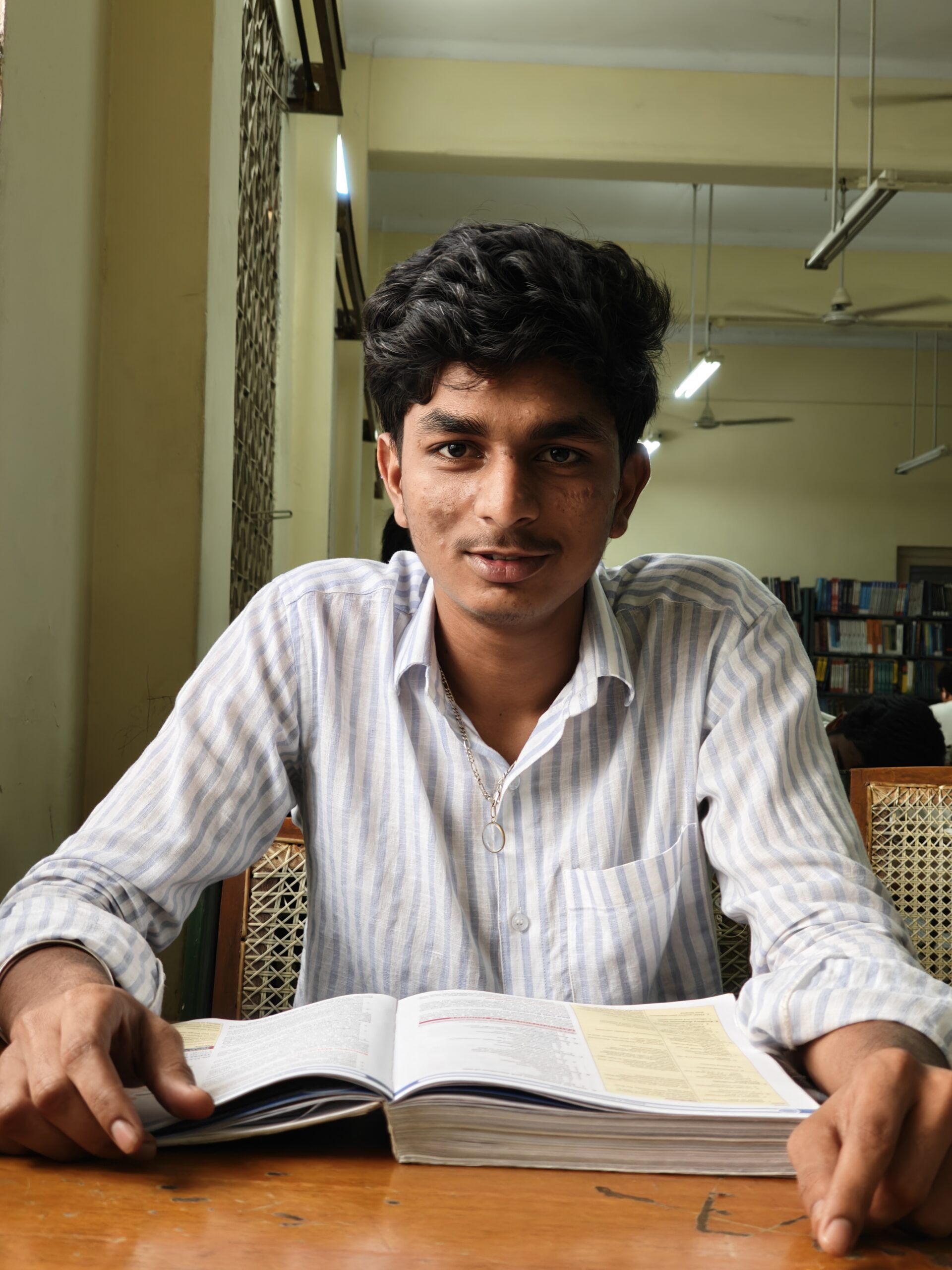
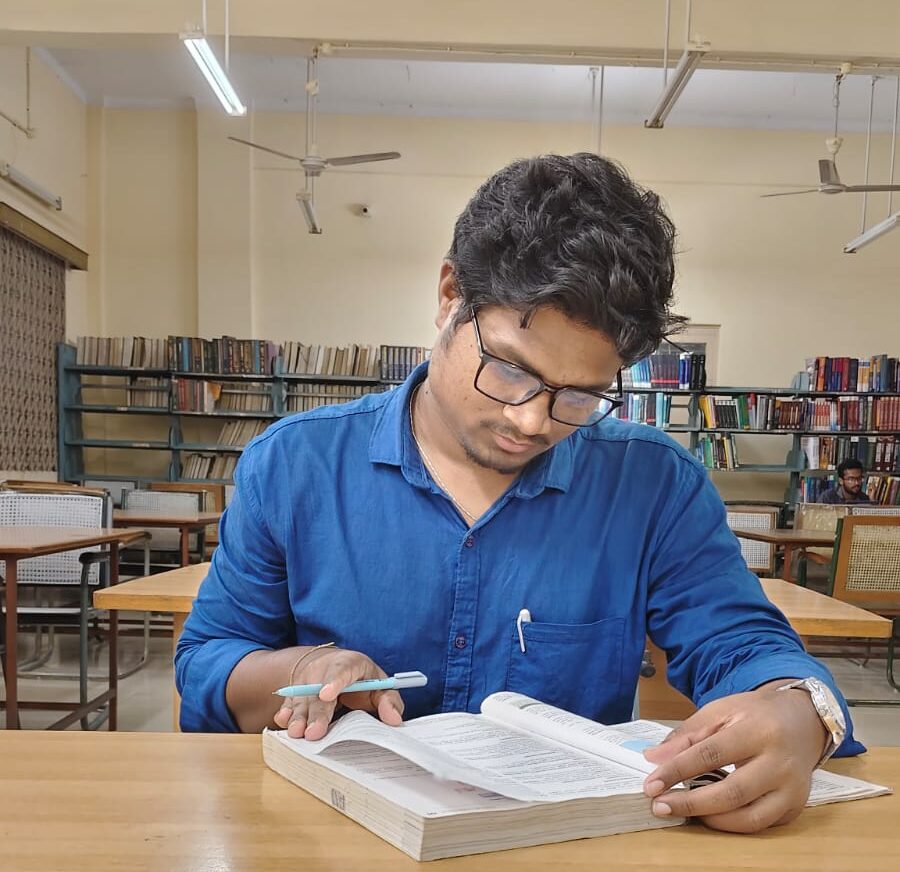
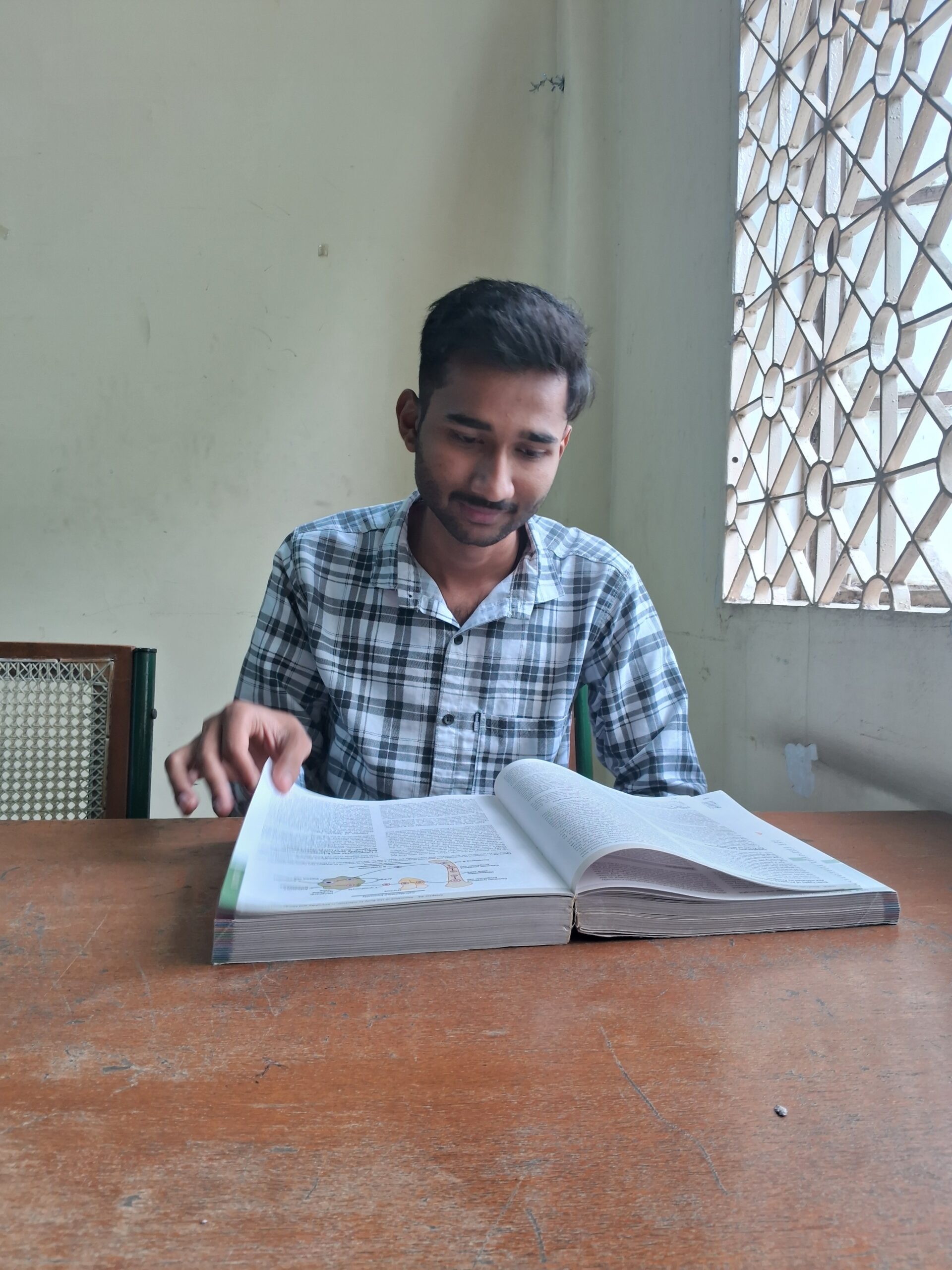
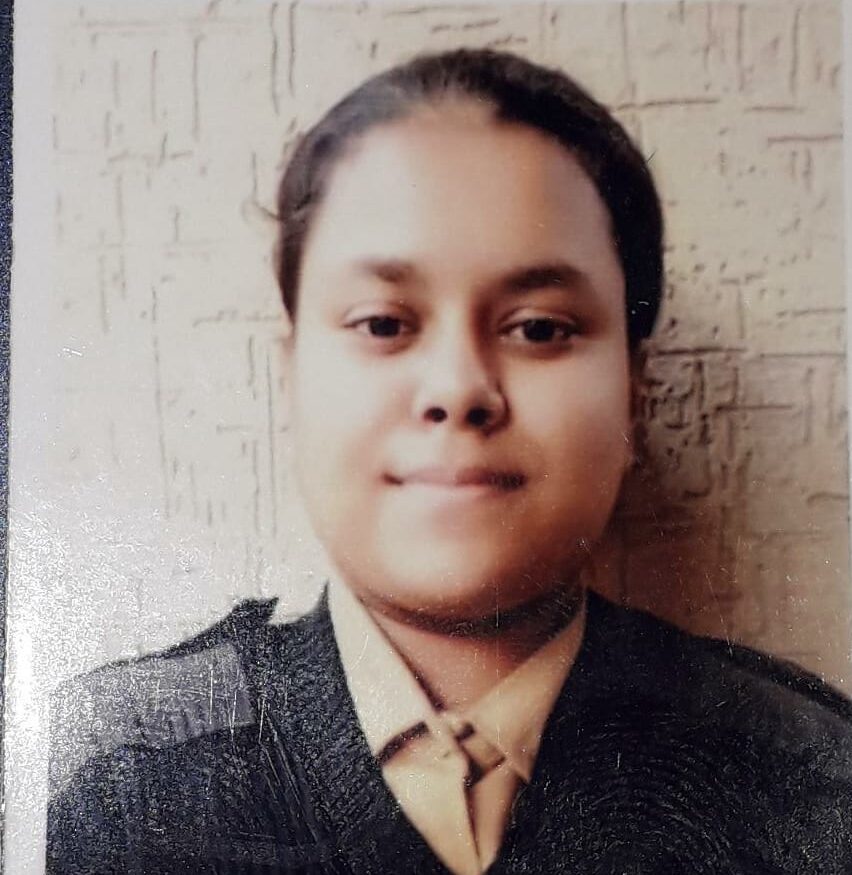
Today, Samarth is an MBBS student at Government Medical College, Nandurbar. He chose this government medical college, nearly 250 kilometres from his home, because anything farther would not have been financially sustainable. He wants to become a doctor who combines sound clinical knowledge with empathy and ethical practice. He hopes to pursue postgraduate studies, build strong research skills, and contribute meaningfully to healthcare delivery, especially in rural and underprivileged communities.
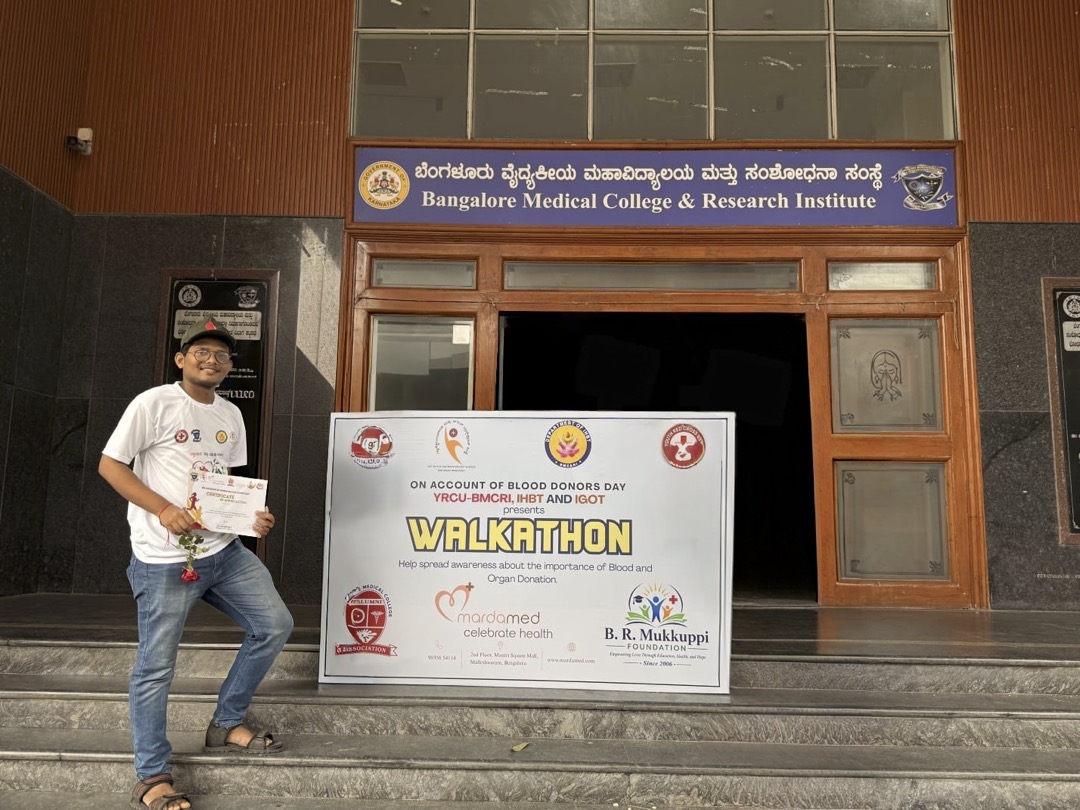
His interest in public health is not theoretical. Through the Made E Vision project at his university, he has participated in health camps across nearby villages, listening to people explain symptoms they have lived with for years. As a member of the Sevankur Society, he has been part of initiatives that provide free healthcare services in the Nandurbar region. These experiences have shaped his understanding of medicine as something that begins long before diagnosis and continues long after treatment.
Financial constraints remain his most pressing challenge. Medical education demands complete focus, leaving little scope for part time work. The cost of accommodation, books, and daily living adds a constant layer of pressure. His parents continue to support his dream within their limited means, often prioritising his education over their own comfort. Despite this, Samarth finds time to read, to mentor younger students, and to guide NEET aspirants. He has coached two students personally, offering them the clarity and encouragement he himself lacked in his early years. Teaching, for him, is another form of service.
What stands out in Samarth’s journey is not just resilience, but patience. His journey was shaped by waiting, repeating, and rebuilding confidence at every step. There was no sense of entitlement in the process, only steady effort and an acceptance that meaningful goals often demand time. His experience reflects a quieter reality of medical education in India, where many future doctors are formed not by advantage, but by endurance, family commitment, and an early understanding of social disparity.
Looking ahead, Samarth envisions healthcare as something that extends beyond hospitals and degrees. He hopes to be part of a system that values ethics as much as expertise and service as much as success. What he is pursuing today is not an endpoint, but the groundwork for a life spent improving how care reaches those who need it most.
For Samarth, medicine is less about the authority of the white coat and more about presence. It is about being available where systems are thin, listening before intervening, and choosing to remain engaged even when solutions are slow.
At Shiksha Sankalp Society, we stand beside journeys like Samarth’s, supporting students who carry both responsibility and resolve as they build careers rooted in service and purpose.